uPVC vs Aluminium Windows: Which Is Better?

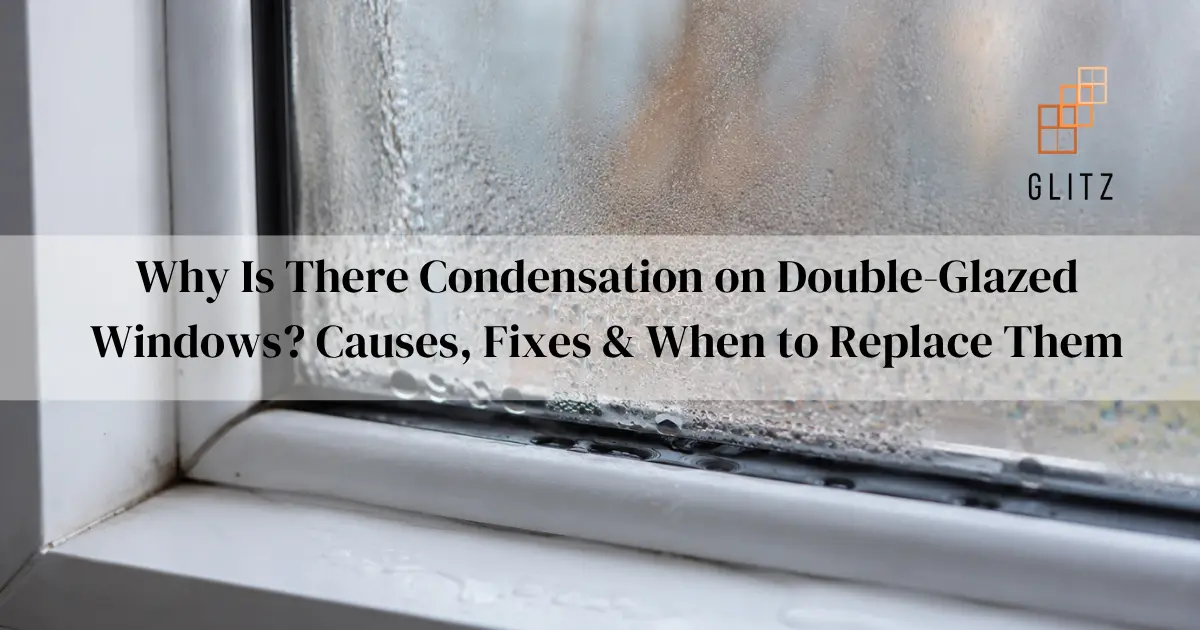
Condensation on double-glazed windows catches most homeowners off guard, mainly because double glazing is supposed to be the solution to misty windows, not the cause of them. A bit of condensation on the inside of the glass on a cold morning is usually nothing to worry about. But condensation that keeps coming back, or fog that sits between the panes and never clears, is a different story, and it’s one worth paying attention to.
Ignoring it rarely makes it go away. Persistent moisture around windows can lead to mould, damaged frames, and higher energy bills, and if the condensation is trapped inside the glazing unit itself, no amount of wiping or ventilation will fix it. This guide explains exactly where the moisture is coming from, what you can do about it, and when it’s time to call in a window repair or replacement specialist rather than keep reaching for a cloth.
Quick Answer
Condensation on double-glazed windows usually means one of three things: normal indoor humidity meeting a cold glass surface, poor ventilation in the room, or a failed seal letting moisture into the space between the panes. The first two are fixable with better airflow and heating habits. The third means the sealed unit has failed and the glazing needs replacing.
Not all foggy windows have the same cause, and knowing which type you’re dealing with changes what you should do next.
Where It Appears | Likely Cause | Can You Fix It Yourself? |
Inside the room, on the glass | Indoor humidity and poor ventilation | Yes, usually |
Between the two panes of glass | Failed seal in the insulated glass unit | No, needs professional replacement |
Outside the window, on the glass | Cold glass meeting warm, humid outdoor air | Not a fault, no action needed |
This is the type most homeowners see on a cold morning, and it’s the easiest to explain. Warm, moist air inside your home meets the cool surface of the glass and turns into water droplets. Cooking, showering, drying laundry indoors and even breathing all add moisture to the air, and double glazing, while excellent at reducing heat loss, still has a glass surface cool enough for humid air to condense against.
This kind of condensation isn’t a fault with your windows. It’s a sign of humidity and airflow inside your home, and it responds well to a few simple changes.
This is the one that should get your attention. If you see misted double glazing that sits between the two panes rather than on the inner surface, and it doesn’t clear no matter how much you ventilate the room the sealed unit has failed.
A double-glazed unit relies on a warm edge spacer and sealed edges to keep an insulating gap of air or gas trapped between two panes of glass. Once that seal breaks down, moist air gets in and there’s no way to dry it out from either side. This is known as sealed unit failure or blown double glazing, and it’s a glazing fault not a ventilation issue.
Less common, but not a problem. Outdoor condensation happens when the outer pane cools faster than the surrounding air, usually on clear, cold nights, and humid morning air condenses against it. It’s actually a sign that your windows are insulating well, keeping the glass temperature low relative to the air outside.
A few everyday habits and home conditions make indoor condensation more likely:
None of these mean your windows are faulty. They simply mean there’s more moisture in the air than your current ventilation can manage.
Sealed unit failure doesn’t always look the same in every window. Common signs include:
If any of these sound familiar, it’s worth arranging a window repair assessment. In many cases, only the glazing unit itself needs replacing, not the entire window frame.
In most cases, a failed sealed unit needs replacing rather than repairing. Once moisture gets inside an insulated glass unit, the seal has broken down permanently, and there’s no reliable way to reseal it or remove the trapped moisture for good. Reputable double glazing specialists will usually replace just the glazing unit within the existing frame, rather than the whole window, which keeps costs down considerably.
Yes. Modern replacement glazing typically uses low-E glass and improved spacer technology, both of which reduce heat loss more effectively than older units. If your current windows are more than fifteen to twenty years old, newer energy-efficient windows can noticeably lower heating bills while also reducing the kind of temperature differences that cause condensation in the first place.
A quick inspection from a qualified installer usually settles whether you’re dealing with a ventilation issue or a genuine glazing fault. Glitz Windows carries out window repair, double glazing replacement, and full window installation across a range of frame types, including uPVC windows and aluminium windows, with experienced installers who assess the actual cause before recommending any work.
If your windows are showing signs of blown double glazing, or you’re ready for something more energy-efficient, Glitz Windows offers professional assessments and free quotations, with workmanship built to last rather than a quick patch-up. Persistent condensation is easier to deal with now than after months of trapped moisture around your frames.
If your heating costs are rising and you can’t pin it on energy price hikes alone, your windows might be to blame. Older windows especially single-glazed or early double-glazed units, lose heat through the glass and around the frame. That warm air you’re paying for simply escapes, and your boiler works harder to compensate. Modern energy efficient windows use improved glazing and better seals to keep heat inside, which can make a noticeable difference to monthly bills.
Run your hand around the edge of a closed window on a windy day. Feel a breeze? That’s a draught, and it means the seal between the frame and the glass (or the frame and the wall) has broken down. Draughty windows aren’t just uncomfortable; they’re a sign that your home’s insulation has a weak point that’s only going to get worse.
A bit of condensation on the inside of your windows on a cold morning is normal. Condensation between the panes of a double glazed unit is not. This means the seal has failed and the gas or air gap that provides insulation has been compromised. Once this happens, the unit can’t be repaired effectively. It needs replacing.
Warped frames, swollen wood, or worn mechanisms can make windows stiff, sticky, or impossible to open. This is more than an annoyance. Windows that won’t open properly are a safety issue if you ever need a quick escape route, and windows that won’t close fully leave gaps for draughts and water ingress.
Cracked glass, rotting timber, corroded uPVC, or flaking paint are all signs of structural deterioration. Frame damage in particular tends to get worse with time and exposure to UK weather, so what starts as a cosmetic issue can become a functional one.
If traffic, neighbours, or general street noise seem louder than they used to be, it might not be your hearing. It could be that your window seals and glazing have degraded, reducing their ability to dampen sound. Modern double glazed windows are considerably better at noise reduction than older units.
Windows that struggle to regulate temperature are a clear sign of poor insulation. If certain rooms feel like cold spots in winter or become unbearably stuffy in summer, your windows may no longer be doing their job of keeping the indoor climate stable.
Kerb appeal matters, particularly if you’re thinking of selling. Tired, discoloured, or old-fashioned window frames can make an otherwise well-kept property look neglected from the outside. New windows are one of the more visible ways to refresh a home’s appearance.
A repair here and there is normal maintenance. Repeated call-outs for the same issues are a sign you’re throwing money at a problem that won’t be properly solved until the windows themselves are replaced. At a certain point, the maths simply favours replacement over repair.
In the event that you are adding on, renovating or updating your house, then it could make sense to incorporate window replacement with any of these improvements. When windows are replaced at the same time as other improvements made to the property, you will often have a lower overall cost and a more uniform finished product.
This is dependent on the severity of the problem. Minor problems, stiff hinge, or an occasional cracked pane can easily be fixed. However, if seals have failed or the frame is damaged or windows are more than 20 years old replacement is likely more cost effective in the long run. The benefit of lower energy bills, comfort and value added to your property can make the difference and in many cases outweigh the initial investment of the new windows.
The windows offer a mix of economic and functional advantages: they are more energy efficient, reduce heating costs are more secure, add value to the property, look better, are more comfortable and make a real difference in noise reduction. It is one of the more impactful home improvement investments for many homeowners.
uPVC windows remain a popular choice for UK homes thanks to their durability and low maintenance. Look for double glazed (or triple glazed) options with strong energy ratings, and don’t overlook security features like multi-point locking systems. Just as importantly, choose professional installation. Even the best windows underperform if they’re fitted poorly.
If you recognised even a few of these signs in your own home it’s worth taking a closer look at your windows rather than waiting for things to get worse. Draughts, rising bills and sticky frames rarely fix themselves. When you’re ready to explore your options, Glitz Windows & Doors can talk you through what’s available, from uPVC windows to modern double glazing, with professional installation included. Get in touch whenever you’re ready for a no-pressure chat.
Not always. Condensation on the inside is usually about humidity and ventilation. Condensation trapped between the panes, however, means the sealed unit has failed and does need replacing.
This usually means the seal around the insulated glass unit has broken down, letting moist air into the gap. It’s a gradual wear issue rather than something sudden, even if you’ve only just noticed it.
If the condensation is on the inside surface, yes. Better ventilation, extractor fan use, and consistent heating usually resolve it. Condensation between the panes can only be fixed by replacing the glazing unit.
Costs vary depending on window size, glass type, and property access, but replacing just the glazing unit is generally far more affordable than replacing the entire window frame.
Yes, to some extent. A failed seal usually means the insulating gas or air gap has been compromised, which reduces the window’s thermal efficiency and can lead to higher energy bills.
At GLITZ Window & Door, we specialise in delivering high-quality window and door services backed by decades of hands-on experience.
WhatsApp us