uPVC vs Aluminium Windows: Which Is Better?

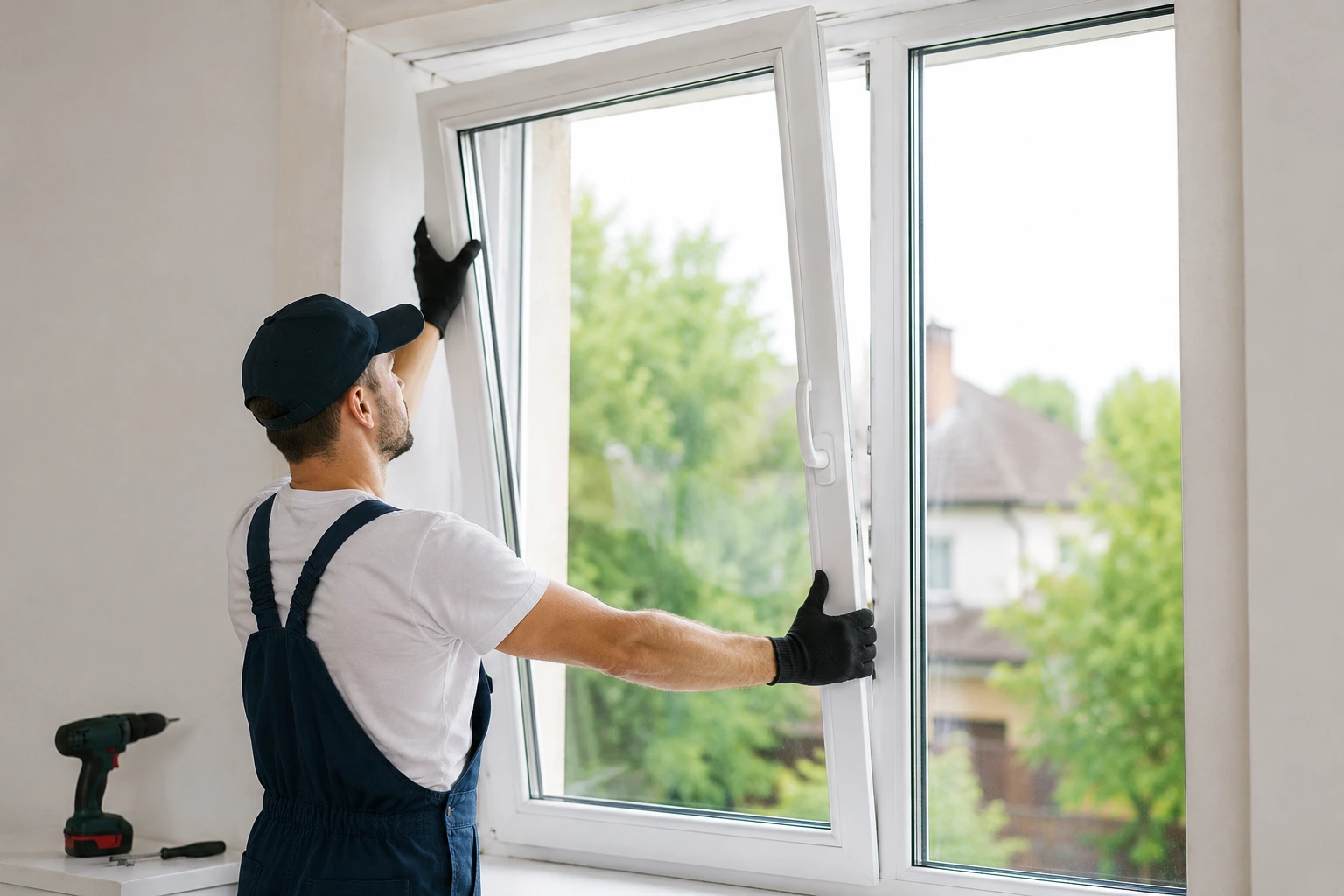
Your windows do more work than you probably give them credit for. They keep the British weather where it belongs (outside), they trap the heat you’re paying good money for, and they play a quiet but real role in keeping your home secure. The trouble is, windows fail gradually. There’s rarely one dramatic moment where you think “right, that’s it time for new ones.” Instead, it’s a slow creep of draughts, sticky frames, and energy bills that seem to climb every winter regardless of how careful you are with the thermostat.
Most homeowners wait far longer than they should before replacing ageing windows often because the signs are easy to explain away. A bit of condensation here, a stiff handle there. But these small issues tend to point to bigger problems underneath. Here are 10 signs it’s genuinely time to replace your windows, plus what to do about it.
If your heating costs are rising and you can’t pin it on energy price hikes alone, your windows might be to blame. Older windows especially single-glazed or early double-glazed units, lose heat through the glass and around the frame. That warm air you’re paying for simply escapes, and your boiler works harder to compensate. Modern energy efficient windows use improved glazing and better seals to keep heat inside, which can make a noticeable difference to monthly bills.
Run your hand around the edge of a closed window on a windy day. Feel a breeze? That’s a draught, and it means the seal between the frame and the glass (or the frame and the wall) has broken down. Draughty windows aren’t just uncomfortable; they’re a sign that your home’s insulation has a weak point that’s only going to get worse.
A bit of condensation on the inside of your windows on a cold morning is normal. Condensation between the panes of a double glazed unit is not. This means the seal has failed and the gas or air gap that provides insulation has been compromised. Once this happens, the unit can’t be repaired effectively. It needs replacing.
Warped frames, swollen wood, or worn mechanisms can make windows stiff, sticky, or impossible to open. This is more than an annoyance. Windows that won’t open properly are a safety issue if you ever need a quick escape route, and windows that won’t close fully leave gaps for draughts and water ingress.
Cracked glass, rotting timber, corroded uPVC, or flaking paint are all signs of structural deterioration. Frame damage in particular tends to get worse with time and exposure to UK weather, so what starts as a cosmetic issue can become a functional one.
If traffic, neighbours, or general street noise seem louder than they used to be, it might not be your hearing. It could be that your window seals and glazing have degraded, reducing their ability to dampen sound. Modern double glazed windows are considerably better at noise reduction than older units.
Windows that struggle to regulate temperature are a clear sign of poor insulation. If certain rooms feel like cold spots in winter or become unbearably stuffy in summer, your windows may no longer be doing their job of keeping the indoor climate stable.
Kerb appeal matters, particularly if you’re thinking of selling. Tired, discoloured, or old-fashioned window frames can make an otherwise well-kept property look neglected from the outside. New windows are one of the more visible ways to refresh a home’s appearance.
A repair here and there is normal maintenance. Repeated call-outs for the same issues are a sign you’re throwing money at a problem that won’t be properly solved until the windows themselves are replaced. At a certain point, the maths simply favours replacement over repair.
In the event that you are adding on, renovating or updating your house, then it could make sense to incorporate window replacement with any of these improvements. When windows are replaced at the same time as other improvements made to the property, you will often have a lower overall cost and a more uniform finished product.
This is dependent on the severity of the problem. Minor problems, stiff hinge, or an occasional cracked pane can easily be fixed. However, if seals have failed or the frame is damaged or windows are more than 20 years old replacement is likely more cost effective in the long run. The benefit of lower energy bills, comfort and value added to your property can make the difference and in many cases outweigh the initial investment of the new windows.
The windows offer a mix of economic and functional advantages: they are more energy efficient, reduce heating costs are more secure, add value to the property, look better, are more comfortable and make a real difference in noise reduction. It is one of the more impactful home improvement investments for many homeowners.
uPVC windows remain a popular choice for UK homes thanks to their durability and low maintenance. Look for double glazed (or triple glazed) options with strong energy ratings, and don’t overlook security features like multi-point locking systems. Just as importantly, choose professional installation. Even the best windows underperform if they’re fitted poorly.
If you recognised even a few of these signs in your own home it’s worth taking a closer look at your windows rather than waiting for things to get worse. Draughts, rising bills and sticky frames rarely fix themselves. When you’re ready to explore your options, Glitz Windows & Doors can talk you through what’s available, from uPVC windows to modern double glazing, with professional installation included. Get in touch whenever you’re ready for a no-pressure chat.
Most windows last 20–25 years, though this varies by material and quality. Signs of wear, draughts, or failed seals are better indicators than age alone that it’s time to consider replacement.
Repairs are cheaper short-term but can add up if recurring. Replacement costs more upfront but typically offers better long-term value through energy savings and reduced maintenance.
Yes. New, well-installed windows improve kerb appeal and energy efficiency, both of which buyers consider valuable, making them a worthwhile investment ahead of a sale.
Condensation between panes, visible fogging, draughts, and a noticeable drop in insulation performance are the clearest signs that a double glazed unit has failed.
For most homeowners, yes. Lower heating bills, improved comfort, and increased property value tend to offset the initial cost over time.
At GLITZ Window & Door, we specialise in delivering high-quality window and door services backed by decades of hands-on experience.
WhatsApp us