uPVC vs Aluminium Windows: Which Is Better?
If you want the best value, strong insulation and low maintenance, uPVC windows are often the practical choice for many UK homes. Aluminium windows usually cost more, but they give you slimmer sightlines, extra structural strength and a longer service life. Which one is right for you comes down to your property, the glazing specification, your budget, the look you’re after and how the windows will be installed.
Feature | uPVC windows | Aluminium windows |
Upfront cost | Usually the more affordable option | Usually a higher initial investment |
Lifespan | Commonly around 20–30 years, depending on quality and care | Often 40 years or more when correctly specified and maintained |
Frame sightlines | Generally more substantial | Usually slimmer, allowing larger glass areas |
Energy efficiency | Strong thermal performance from multi-chambered profiles | Strong performance when the frame has an effective thermal break |
Maintenance | Low maintenance; no painting or staining needed | Low maintenance; powder-coated finishes are built to last |
Security | Strong when reinforced and fitted with quality locking hardware | Naturally rigid and very resistant to bending or flexing |
Noise reduction | Can perform excellently with suitable glazing | Can also perform well with the right glass, seals and installation |
Recyclability | Recyclable, though processing can be more involved | Highly recyclable and can be reused without losing material quality |
Best suited to | Traditional homes, suburban properties and value-focused replacements | Contemporary homes, extensions and larger glazed openings |
These are general comparisons, not guarantees. How a window actually performs depends on the whole system: the profile, the glass, the spacers, the seals, the hardware and, just as importantly, how well it’s fitted.
uPVC is a rigid, weather-resistant plastic that’s very common in UK replacement windows. Aluminium is a strong, lightweight metal, which lets manufacturers make slimmer frames and fit in more glass.
Both can give you secure, energy-efficient, low-maintenance windows. The real difference is what each one is usually chosen for. uPVC tends to win people over on price and insulation, while aluminium is picked for its strength, slim sightlines and contemporary look.
uPVC stands for unplasticised polyvinyl chloride. Most modern uPVC windows have multi-chambered profiles, which means small pockets of air inside the frame that slow down heat moving through it. Many systems are also reinforced inside, which keeps the frame stable and gives the locks something solid to fix to.
There’s a lot of choice in style. You can have casement windows, flush sash windows, bay and bow windows, tilt and turn windows or sliding sash-style windows, all in double-glazed or triple-glazed versions.
You’ll find uPVC in white, in colours and in woodgrain finishes, so it works on modern homes and traditional ones alike. Low maintenance, good thermal performance and fairly accessible pricing are the reasons it’s still such a popular pick for replacement windows.

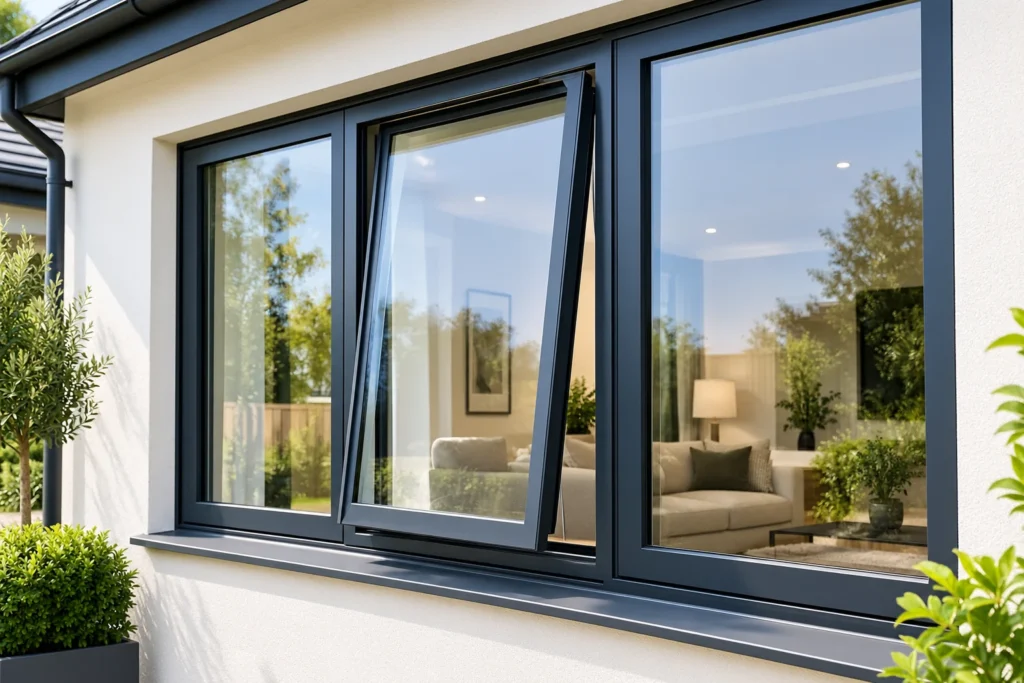
Aluminium windows have lightweight metal frames with a very high strength for their weight. That strength means the frame can carry bigger areas of glass without needing the thicker profiles you’d get with other materials.
Modern aluminium systems include a thermal break between the inside and outside parts of the frame. It’s an insulating barrier that cuts down heat transfer and it’s what fixed the poor performance people remember from older aluminium windows.
You’ll often see aluminium used for modern homes and contemporary extensions, for large fixed panes and slimline casement windows and for architectural projects. It’s also the go-to for any property where you want strong, narrow frames.
uPVC windows usually cost less upfront. They’re easy to manufacture and widely available, which makes them a sensible option if you’re replacing several windows or working to a set renovation budget.
Aluminium windows generally mean a bigger initial spend. You’re paying for the material, the manufacturing process, the thermal break, the finish and, on larger openings, the extra structural strength.
Your quote will also move depending on a few other things:
The cheapest frame isn’t always the cheapest choice over time. A well-made aluminium window may last longer, while a good uPVC system can give you excellent energy efficiency and value from day one. Compare the full specification and the guarantee, not just the price of the frame.
uPVC is a natural insulator because the profile can hold several chambers inside and those reduce how much heat passes through the frame. Pair it with the right double or triple glazing and good seals and uPVC windows perform very well thermally.
Aluminium conducts heat more easily than uPVC, but modern systems use thermal breaks to limit that. A good-quality thermally broken aluminium window can insulate well and meet the needs of most residential projects.
A window’s U-value is how thermal transmittance is measured. Put simply, the lower the number, the less heat escapes. When you’re comparing quotes, though, check what the figure actually refers to:
The glazing makes a big difference too. Low-emissivity glass, warm-edge spacers, gas-filled cavities and accurate installation all shape the final result. So it would be misleading to say every uPVC window beats every aluminium window on energy efficiency. It doesn’t work that way.
When it comes to strength, aluminium wins. The frame is stiff enough to hold big panes of glass and keep its shape for years, which is why it suits wide openings, modern extensions and designs with very slim frames.
A good aluminium window can last a long time, often more than 40 years if it’s well made, properly fitted and looked after. The powder-coated finish also means you’ll never have to repaint it, the way you would with timber.
uPVC windows usually last around 20 to 30 years, though it depends on the quality, the exposure, the hardware, the fitting and how well you look after them. Modern uPVC won’t rot or rust, but cheaper or older frames can go brittle, fade or lose their shape with age.
If you live by the sea or somewhere very exposed, ask about the finish, the hardware and how well it resists corrosion. Aluminium stands up well to corrosion, but harsh conditions can still take their toll, and in some places a marine-grade finish is worth having.
The first thing most people notice is the frame profile.
Because aluminium is so strong, the frames can be slimmer and the glass areas bigger. That gives a cleaner look, lets in more daylight and opens up the views, which is why it’s popular on contemporary properties and for large window designs.
uPVC frames are generally chunkier, but that suits plenty of suburban, traditional and period-inspired homes. Flush sash designs, woodgrain finishes, Georgian bars and a well-chosen colour can all give uPVC windows a more traditional look.
You can get both materials in a range of colours:
Either material can be very secure, as long as the whole window is well designed and properly fitted.
Aluminium is naturally stiff and hard to bend, which is a real help on large windows, ground-floor openings and exposed spots where you want a frame you can rely on.
uPVC can be just as reassuring when it comes with internal reinforcement, multi-point locking, secure handles and the right glazing. A well-specified uPVC window gives most homes all the protection they need.
The frame is only part of the story, so before you order, ask about:
PAS 24 may apply to certain security-focused window and door specifications, but don’t assume every window meets it. Ask the installer or manufacturer to confirm it for the exact product they’re quoting.
Both uPVC and aluminium windows are much easier to look after than painted timber.
For either one, the routine is simple:
You won’t need to paint, stain or varnish uPVC. The same goes for powder-coated aluminium, although if the finish gets chipped or damaged, it’s best to get it looked at and repaired properly.
The frame material alone doesn’t decide how quiet a window is. What matters is the whole installation and above all the glazing and the seals.
Several things affect acoustic performance:
uPVC windows can do very well in homes near busy roads, because the frame and sealed glazing work together to cut sound. Aluminium windows can also perform nicely when they’re paired with the right glass and well-fitted seals.
If traffic noise bothers you, ask for acoustic advice rather than picking a frame material on general claims alone.
both uPVC and aluminium can make your home warmer and cheaper to run.
So which one is greener? There’s no simple answer, because it depends on the whole life of the window: how it’s made, how long it lasts, how well it insulates and what happens to it at the end. It’s worth asking your installer where your old frames and glass will end up.
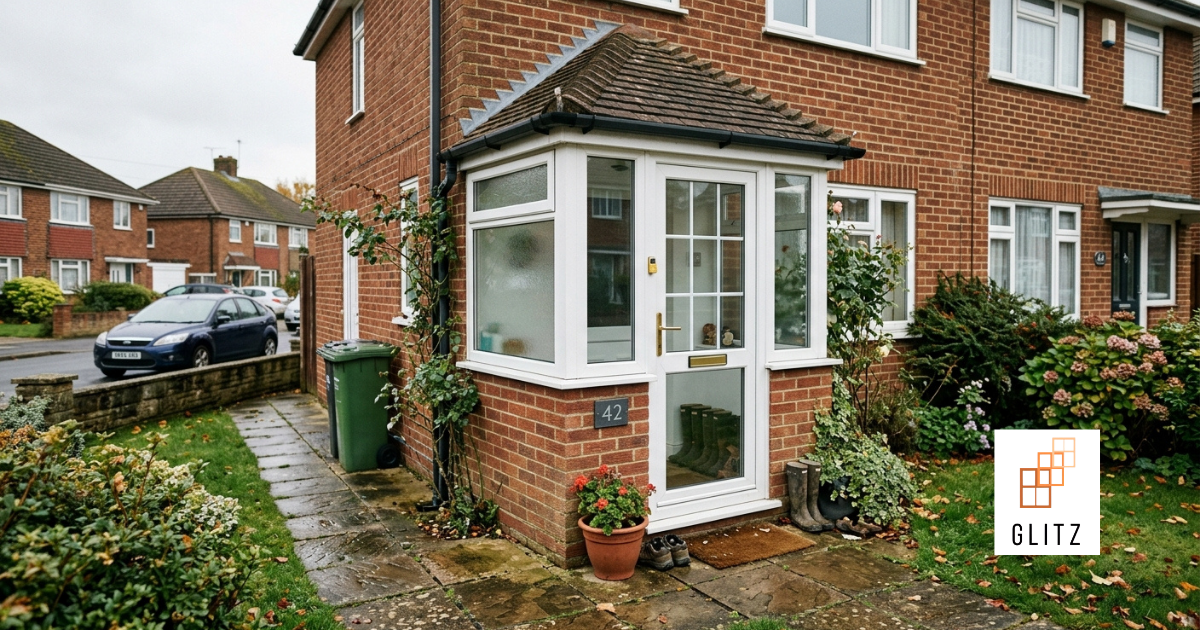
For a 1930s semi or similar suburban home, uPVC casement windows are usually a sensible pick. They keep the heat in, come in plenty of finishes and won’t blow the budget when you’re replacing a whole houseful.
If you’d like something closer to the original look, flush sash uPVC is worth a look. Whichever you go for, have a think about the proportions of the existing windows, the glazing bars, the brickwork and what the neighbours’ houses look like.
Aluminium can look great on a 1930s home too, especially on a rear extension or a modern redesign. Just remember that slim frames can stand out against the older building, so take your time choosing the colour and style.
Victorian and Edwardian houses usually look best with windows that respect their original proportions and details. Depending on the property, that might mean:
Replacing the original windows can change a home’s character, so if yours is listed or in a conservation area, check the planning requirements before you order anything.
If your home is in a conservation area or is a listed building, expect some extra rules. Listed buildings usually need Listed Building Consent for any significant changes. Conservation areas can have their own local controls, including Article 4 Directions or design requirements.
What’s allowed can vary from one property to the next. It might depend on the elevation, the design, the material, the glazing pattern and, of course, your local council. So don’t take it for granted that uPVC or aluminium will be approved or that either will be turned down.
Always check with the planning authority before any work begins. According to Planning Portal guidance, replacement glazing has to meet Building Regulations and planning restrictions can also apply to listed buildings, flats and designated areas.
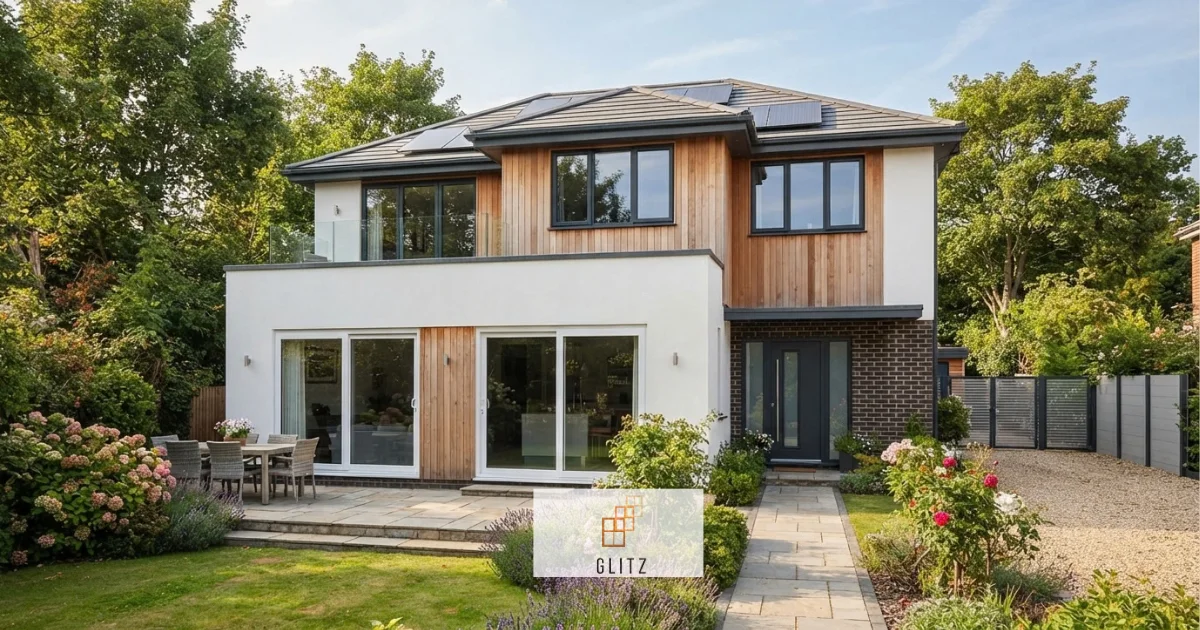
For modern homes and extensions, aluminium is often the best fit. It’s strong enough to hold big sheets of glass in slim frames, so you get wide views, plenty of daylight and a look that suits contemporary architecture.
That doesn’t rule out uPVC, though. It can work well on a modern house too, especially if insulation and cost are high on your list. A lot comes down to the size of the opening, the design, the glazing and the look you’re after.
If you own a flat, you may need to think about your freeholder, your lease, the building management or planning rules before changing windows. The outside appearance can matter a lot in a block, because uniformity is often important.
For homes near busy roads, railways or other noise, put these first:
The best result may come from a carefully specified uPVC or aluminium system, rather than automatically choosing one material over the other.
Yes, you can use both in one property. A common set-up is uPVC windows through the main house, with aluminium for a modern extension or a large rear opening.
To make it look coordinated, think about:
A home survey can help show whether your planned combination will look balanced and work for each side of the house.
Overall, you get strong performance without paying a premium for the frame.
Glitz Windows & Doors helps homeowners across South London and Surrey choose new windows with confidence. Here’s what you can expect:
Whether you’re replacing a few windows or a whole house, you’ll get honest, friendly guidance from start to finish.
Neither one is automatically better for every home. uPVC often suits people who want value, insulation and versatile styling. Aluminium may be the better choice if you want slim frames, large glazed areas, structural strength and a contemporary finish.
Aluminium windows usually cost more upfront, but by how much depends on the system, the dimensions, the glazing, the colour, the access and the installation. It’s better to get a tailored quotation than to rely on a general percentage.
The aluminium frame itself is more rigid, but both materials can be very secure when they’re paired with suitable locks, glazing, reinforcement and professional installation.
Yes. You can use them in different parts of the same property, for example uPVC in the main house and aluminium in a modern extension. Just make sure the colour, the sightlines and the overall design work together.
It depends on the complete window specification. uPVC is naturally insulating, while modern aluminium relies on thermal-break technology. Compare the whole-window U-value, the glazing and the quality of the installation.
Aluminium often has the longer potential service life, though good-quality uPVC can also perform reliably for decades. Exposure, product quality, hardware, installation and maintenance all affect how long a window lasts.
It depends on the home’s original design, its planning status and the appearance you need to keep. Flush sash uPVC may suit some traditional homes, while specialist aluminium systems can be right for certain heritage steel-window replacements.
No. Both are low-maintenance options. Either way, it’s still sensible to clean them regularly, check the drainage channels, lubricate the hardware and inspect the seals.
Choose uPVC if affordability, insulation, low maintenance and flexible styling matter most to you. It’s a practical choice for many suburban homes, traditional properties and larger replacement projects.
Choose aluminium if you want slimmer sightlines, bigger areas of glass, high structural strength and a contemporary look. It often suits modern homes, extensions and architectural projects very well.
Whichever you pick, the best decision comes from looking at the complete product and your property, not just the frame material. Before you order, compare the glazing, the U-value, the security hardware, the installation method, the guarantee and the compliance paperwork.
Not sure whether uPVC or aluminium windows are right for your home? Glitz Windows & Doors can help you compare frame materials, glazing options, styles and finishes for your property in South London or Surrey.
Arrange a survey and request a tailored quotation for new, replacement or upgraded windows.
WhatsApp us