
How to Reduce Road Noise Through Windows: Best Glazing Options for a Quieter Home
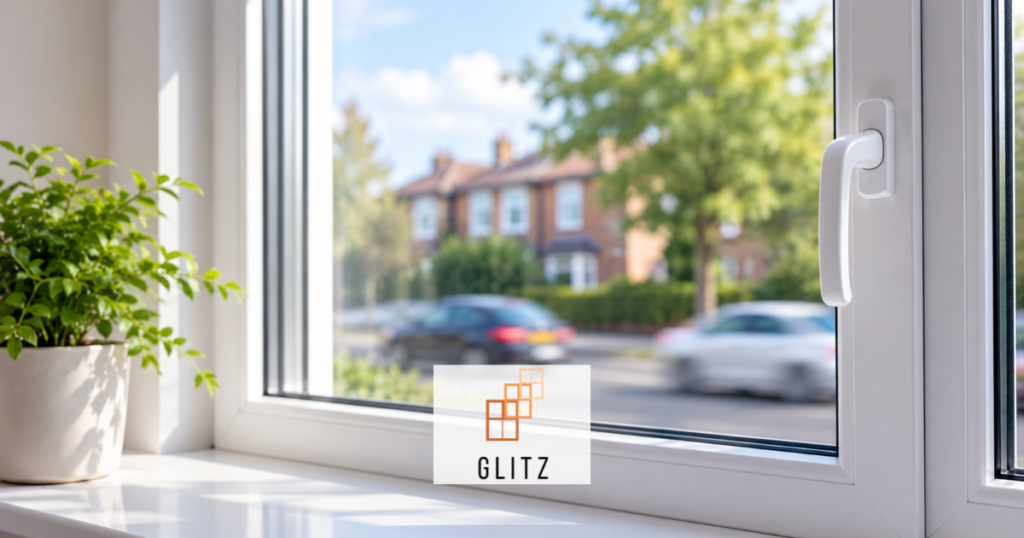
How to Reduce Road Noise Through Windows: Best Glazing Options for a Quieter Home The most effective way to cut road noise through windows is to treat the whole window system, not just the glass. Acoustic laminated glass, wider gaps between panes, airtight seals and careful fitting all help, while secondary glazing suits some homes better. The right mix depends on how loud and how low-pitched your traffic is. If you live on or near a main road, you already know the feeling: the bus pulling away at 6am, the lorry rumble that comes up through the floor, the radio you keep turning up. Noise reduction windows can make a real difference, but only when the whole window is specified and fitted properly. This guide explains how traffic noise gets in, which glazing options help, and how to decide what suits your home. If you want to reduce traffic noise through windows without guesswork, start here. Key terms, defined simply Acoustic glazing: window glass and glazing systems designed to cut sound transmission, usually by using laminated glass with a sound-damping interlayer and a carefully chosen gap between panes. Sound reduction: how much quieter a sound is on the inside than the outside, measured in decibels (dB). Tested products are often rated by Rw, and Rw + Ctr is the version adjusted for traffic-type noise. Secondary glazing: a second, separate window fitted on the inside of your existing window, leaving a much wider air gap than a standard sealed unit. Why does road traffic noise enter your home? Sound is vibration. Traffic noise hits your window, makes the glass vibrate, and that vibration is passed into your room. The frame, seals and the wall around the window all join in. How sound travels through glass and window frames Thinner, lighter glass vibrates more easily, so more sound gets through. Frames matter too: a poorly sealed frame can carry sound and let air leak straight past the glass. That is why two windows with identical glass can perform very differently once installed. Why gaps, worn seals and poorly fitted windows matter Sound travels through air gaps as easily as air itself. A worn gasket, a warped sash or a gap around the frame can undo much of what good glass achieves. Acoustic guidance from Camden Council makes the same point: ill-fitting windows are a major route for airborne sound. Why low-frequency traffic noise can be difficult to block Lorries, buses and idling engines produce low-pitched noise, and low frequencies are the hardest to stop. They carry more energy and pass through light glazing more readily than higher-pitched sounds. Standard double glazing is designed mainly for thermal insulation, so it often does less against this rumble than people expect. As a rule of thumb, a 3 dB reduction is only just noticeable, while about 10 dB feels like roughly halving the loudness. That is why the specification matters. Which windows are best for noise reduction? There is no single best answer for every home. The right choice depends on your noise levels, your existing windows and your budget. Here is how the main options compare. Standard double glazing Two panes with a narrow sealed gap, built mainly for heat retention. Upgrading from old single glazing or failing units will usually make a home noticeably quieter, and modern double glazing is a sensible starting point on moderately busy roads. Where traffic is heavy or low-pitched, though, the narrow cavity and similar-thickness panes limit how much it can do. Acoustic laminated glass Laminated glass bonds two sheets of glass with a flexible interlayer. That interlayer damps vibration, so laminated glass generally insulates better against sound than standard glass of the same overall thickness. Acoustic-grade interlayers go further. Put acoustic glass for windows into a double-glazed unit with panes of different thicknesses and you have what most people mean by acoustic double glazing. Triple glazing Three panes can help with heat loss and sometimes with sound, but triple glazing is not automatically quieter than double. Glass manufacturer Pilkington notes that the glass types in a triple unit need to be chosen carefully for acoustic benefit. If noise is your main concern, ask for tested acoustic figures rather than assuming a third pane solves it. Secondary glazing A separate pane fitted inside your existing window. The wide gap between the two windows is what makes secondary glazing for noise reduction effective, and performance generally improves as that gap grows. It suits flats, older properties and homes where keeping the original frames is preferred. It works best when the existing window is also draught-sealed. Glazing comparison table Option Acoustic performance Best suited to Key considerations Standard double glazing Modest. Designed mainly for thermal efficiency Quieter or moderately busy roads; replacing old single glazing Narrow cavity limits low-frequency noise reduction Acoustic laminated glass (in a double-glazed unit) Better than standard glass of similar thickness; varies with specification Bedrooms and living rooms facing busy roads Needs matching frames, seals and fitting; check tested Rw + Ctr values Triple glazing Varies widely with glass make-up; not automatically better than double Homes wanting thermal and acoustic gains together Heavier units; must be specified for sound, not assumed Secondary glazing Can be substantial thanks to the wide air gap Flats, period homes, keeping existing windows Two windows to open and clean; existing window should be well sealed Indicative comparison only. Actual performance depends on the complete window system, including the glass configuration, air gaps, frame, seals and installation, as industry guidance from the Glass and Glazing Federation (GGF) explains. What features improve window sound insulation? Good window sound insulation comes from several details working together. Different glass pane thicknesses: panes of unequal thickness resist different sound frequencies, reducing the resonance that a matched pair can create. Wider cavities between separate glazing layers: the more air between the layers, the better they are isolated from each other. This is why secondary glazing can outperform a narrow sealed unit. Airtight seals and well-fitted frames:
Signs Your uPVC Windows Need Repair or Replacement
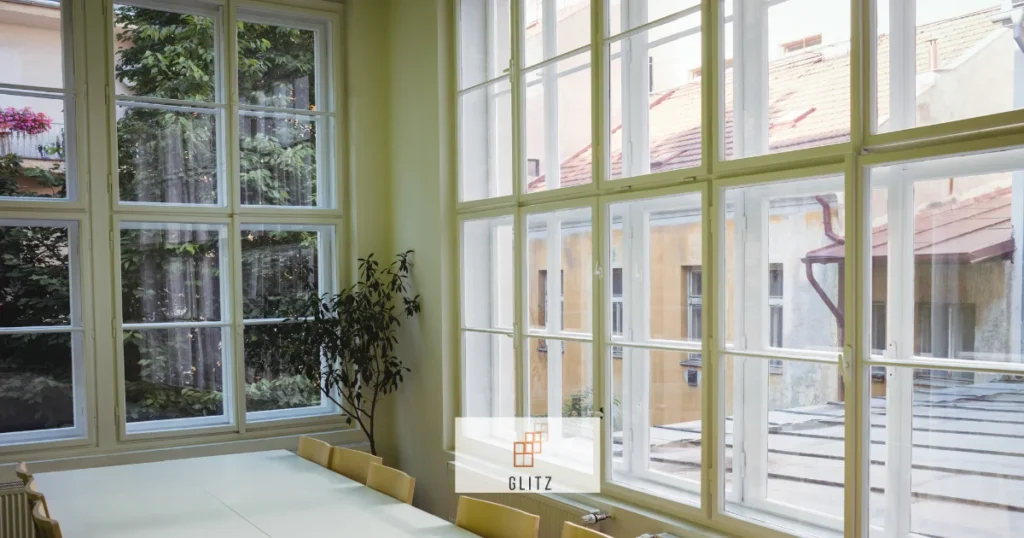
Signs Your uPVC Windows Need Repair or Replacement Most uPVC windows don’t fail overnight. They drift. A draught here, a stiff handle there, a misty patch in the glass you’ve learned to ignore. The good news is that many of these problems can be fixed without replacing the whole window. Misted glass, worn seals and faulty hinges usually need a professional window repair, while warped or cracked frames and several failures at once on windows over 20 years old point towards replacement. Here are the signs to watch for, and how to tell which route makes sense for your home 1. Misting or condensation between the glass panes If you see fog, water droplets or a milky haze inside the double glazed unit, where you can’t wipe it away, the airtight seal around the unit has failed. Moist air has got in, and the insulating gas that helped keep your home warm has leaked out. Where the condensation sits tells you a lot: On the outside of the glass: Normal. It usually means the glazing is doing its job and keeping the outer pane cold. On the inside surface of the room-facing glass: Usually a humidity issue from cooking, drying washing indoors or poor ventilation, not a faulty window. Between the panes: A blown sealed unit. This is the one to act on. Repair or replace? If the frame is in good shape, you only need the sealed unit swapped, which costs far less than a new window. If the frame is also tired, warped or discoloured, it’s worth thinking bigger. Putting a new glass unit into a failing frame is rarely good value. 2. Draughts and cold spots Hold your hand around the edge of a closed window on a windy day. Feel cold air? Does the curtain move when the window’s shut? Is the glass or frame noticeably colder than the one next to it? Most draughts come from one of three causes: Worn or shrunken rubber gaskets that no longer press tightly against the sash Misaligned sashes that no longer sit squarely in the frame Failed seals around the frame, where it meets the wall A simple check is the paper test. Close the window on a strip of paper. If it slides out with no resistance, the seal isn’t gripping properly at that point. Repair or replace? Gaskets can be replaced and hinges can be adjusted, and that often cures the problem. But if you’ve adjusted things and the draught keeps returning, or the gaps look uneven because the frame has moved, replacement is the more reliable route. 3. Windows that stick, drop or are hard to open and close A window that you have to shove, lift or slam to close is telling you something. Common causes include: Worn hinges or friction stays A sash that has dropped slightly under its own weight Lock keeps (the metal catches on the frame) that are out of position Seasonal movement in the frame Repair or replace? One stiff window is almost always a repair job, and often just an adjustment. If every window in the house is stiff, draughty and rattling, you’re probably looking at an age-related problem across the whole system, and it may be time to talk about replacement. 4. Loose, broken or stiff handles and locks A wobbly handle, a key that sticks or a lock that doesn’t engage isn’t just annoying. It’s a security risk, and a window that doesn’t lock properly may also fail to compress its seals, which feeds back into draughts and heat loss. Repair or replace? Handles, espagnolette locking strips and cylinders can usually be replaced without touching the frame. The warning sign for replacement is repetition. If you keep fixing the same window because it keeps going out of alignment, the problem isn’t the hardware. It’s the frame geometry. 5. Cracked, warped or badly discoloured frames This is the sign that most often points towards replacement. Look for: Cracks, especially at the corners and welded joints Bowing or warping, where the frame or sash is visibly out of shape Joints that have opened up or trims that have turned brittle Yellowing or chalky, faded surfaces that cleaning doesn’t restore (common on older white profiles that weren’t UV-stabilised to today’s standard) Surface grime is fixable. Structural distortion isn’t. Once a uPVC profile has warped or cracked, it can’t hold the glass, hardware and seals as it was designed to, and no amount of adjusting will fully fix that. 6. Water leaks, damp patches or mould around the window Stains on the reveal, water pooling on the sill, peeling paint or black mould in the corners shouldn’t be sealed over and forgotten. Possible causes include: Failed external sealant or perished gaskets Blocked drainage slots in the frame (often just a cleaning job) A frame that has moved Poor original installation details Repair or replace? Start with a proper assessment. Many leaks turn out to be a blocked drain channel or tired sealant. If water keeps coming back after those are sorted, the frame or the installation itself may be the cause. 7. Rising energy bills and a home that never quite warms up If your heating is working harder than it used to and you’ve ruled out the boiler, your windows could be quietly leaking heat through failed sealed units, worn gaskets or old, low-performing glass. Modern A-rated double glazing with warm-edge spacer bars and low-emissivity coatings performs considerably better than units from the 1990s or early 2000s. Windows can account for a noticeable share of household heat loss. Because this happens gradually, it’s easy to miss until you compare your home with one that’s been recently upgraded. 8. More noise, rattling or a general “tired” feel Traffic noise that seems louder than it used to, windows that rattle in the frame even when locked, or a general sense that the windows no longer feel solid can all signal worn seals and loose fittings. On their own they’re minor.
uPVC vs Aluminium Windows: Which Is Better?
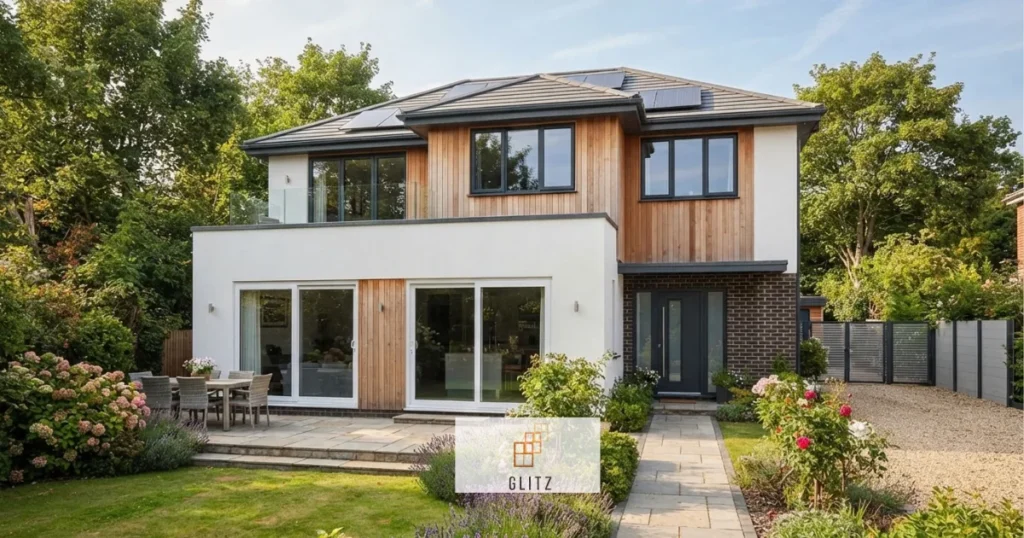
uPVC vs Aluminium Windows: Which Is Better? If you want the best value, strong insulation and low maintenance, uPVC windows are often the practical choice for many UK homes. Aluminium windows usually cost more, but they give you slimmer sightlines, extra structural strength and a longer service life. Which one is right for you comes down to your property, the glazing specification, your budget, the look you’re after and how the windows will be installed. uPVC vs Aluminium Windows at a Glance Feature uPVC windows Aluminium windows Upfront cost Usually the more affordable option Usually a higher initial investment Lifespan Commonly around 20–30 years, depending on quality and care Often 40 years or more when correctly specified and maintained Frame sightlines Generally more substantial Usually slimmer, allowing larger glass areas Energy efficiency Strong thermal performance from multi-chambered profiles Strong performance when the frame has an effective thermal break Maintenance Low maintenance; no painting or staining needed Low maintenance; powder-coated finishes are built to last Security Strong when reinforced and fitted with quality locking hardware Naturally rigid and very resistant to bending or flexing Noise reduction Can perform excellently with suitable glazing Can also perform well with the right glass, seals and installation Recyclability Recyclable, though processing can be more involved Highly recyclable and can be reused without losing material quality Best suited to Traditional homes, suburban properties and value-focused replacements Contemporary homes, extensions and larger glazed openings These are general comparisons, not guarantees. How a window actually performs depends on the whole system: the profile, the glass, the spacers, the seals, the hardware and, just as importantly, how well it’s fitted. What Is the Difference Between uPVC and Aluminium Windows? uPVC is a rigid, weather-resistant plastic that’s very common in UK replacement windows. Aluminium is a strong, lightweight metal, which lets manufacturers make slimmer frames and fit in more glass. Both can give you secure, energy-efficient, low-maintenance windows. The real difference is what each one is usually chosen for. uPVC tends to win people over on price and insulation, while aluminium is picked for its strength, slim sightlines and contemporary look. What Are uPVC Windows? uPVC stands for unplasticised polyvinyl chloride. Most modern uPVC windows have multi-chambered profiles, which means small pockets of air inside the frame that slow down heat moving through it. Many systems are also reinforced inside, which keeps the frame stable and gives the locks something solid to fix to. There’s a lot of choice in style. You can have casement windows, flush sash windows, bay and bow windows, tilt and turn windows or sliding sash-style windows, all in double-glazed or triple-glazed versions. You’ll find uPVC in white, in colours and in woodgrain finishes, so it works on modern homes and traditional ones alike. Low maintenance, good thermal performance and fairly accessible pricing are the reasons it’s still such a popular pick for replacement windows. What Are Aluminium Windows? Aluminium windows have lightweight metal frames with a very high strength for their weight. That strength means the frame can carry bigger areas of glass without needing the thicker profiles you’d get with other materials. Modern aluminium systems include a thermal break between the inside and outside parts of the frame. It’s an insulating barrier that cuts down heat transfer and it’s what fixed the poor performance people remember from older aluminium windows. You’ll often see aluminium used for modern homes and contemporary extensions, for large fixed panes and slimline casement windows and for architectural projects. It’s also the go-to for any property where you want strong, narrow frames. uPVC vs Aluminium Windows: Detailed Comparison Cost and Value for Money uPVC windows usually cost less upfront. They’re easy to manufacture and widely available, which makes them a sensible option if you’re replacing several windows or working to a set renovation budget. Aluminium windows generally mean a bigger initial spend. You’re paying for the material, the manufacturing process, the thermal break, the finish and, on larger openings, the extra structural strength. Your quote will also move depending on a few other things: How many windows you need, how big they are and how they open Double or triple glazing and how high-performance or acoustic the glass is Your choice of colour and finish Access, removal of your old windows, structural alterations and how tricky the job is The cheapest frame isn’t always the cheapest choice over time. A well-made aluminium window may last longer, while a good uPVC system can give you excellent energy efficiency and value from day one. Compare the full specification and the guarantee, not just the price of the frame. Energy Efficiency, Glazing and U-Values uPVC is a natural insulator because the profile can hold several chambers inside and those reduce how much heat passes through the frame. Pair it with the right double or triple glazing and good seals and uPVC windows perform very well thermally. Aluminium conducts heat more easily than uPVC, but modern systems use thermal breaks to limit that. A good-quality thermally broken aluminium window can insulate well and meet the needs of most residential projects. A window’s U-value is how thermal transmittance is measured. Put simply, the lower the number, the less heat escapes. When you’re comparing quotes, though, check what the figure actually refers to: The glass on its own The frame The whole window as one unit (this is the one that counts) The glazing makes a big difference too. Low-emissivity glass, warm-edge spacers, gas-filled cavities and accurate installation all shape the final result. So it would be misleading to say every uPVC window beats every aluminium window on energy efficiency. It doesn’t work that way. Lifespan, Strength and Durability When it comes to strength, aluminium wins. The frame is stiff enough to hold big panes of glass and keep its shape for years, which is why it suits wide openings, modern extensions and designs with very slim frames. A good aluminium window can last a long time, often more than 40 years if it’s well
Window Installation Cost UK 2026: Prices, Labour & Replacement Guide
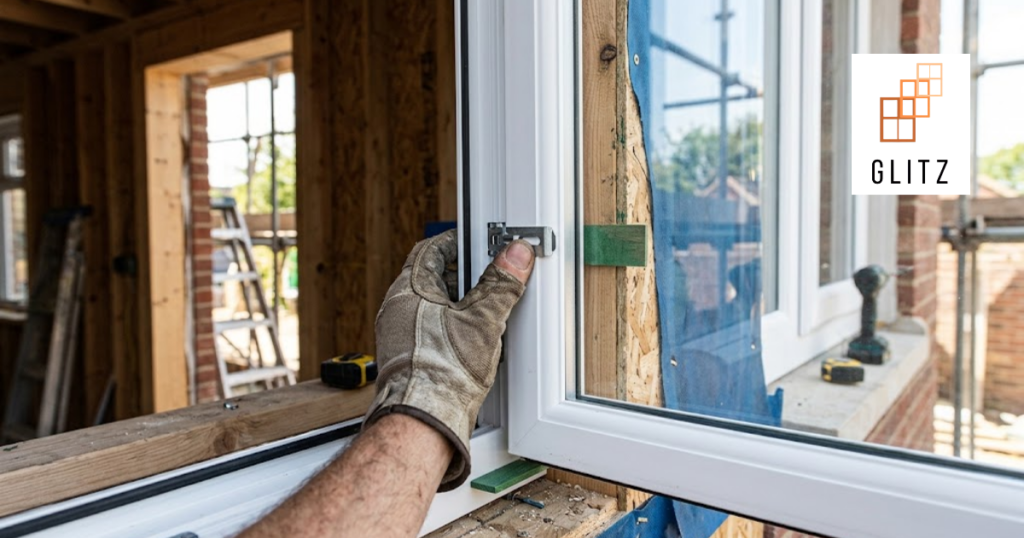
Window Installation Cost UK 2026: Prices, Labour & Replacement Guide If you’ve started collecting quotes for new windows, you’ve probably noticed the numbers swing wildly from one installer to the next. That’s not a sign anyone’s overcharging you — window installation cost in the UK depends on a genuinely long list of variables, from frame material and glazing type to how many windows you’re replacing and whether scaffolding is involved. This guide breaks down indicative 2026 UK pricing across major frame types, window styles, and property sizes, based on current market data. We’ve also included local pricing context for South London and Surrey, where labour rates and property types (think Victorian bay windows and 1930s semis) can shift the numbers slightly from the national average. What’s the Cost of a New Window Installation? Window installation costs in the UK typically range from around £350 to £1,500 or more per window, depending on the frame material, window style, glazing specification, size, and installation requirements. For a typical 3-bedroom house with around 10–12 uPVC casement windows, supply-and-fit costs range from £5,000 to £10,000, averaging roughly £7,500. Individual window prices and labour-only rates are broken down below. Item Typical Cost (UK Average) Labour to fit one uPVC window frame £80 – £150 per window Labour to fit one timber window frame £90 – £150 per window Single uPVC casement window (supply & fit) £350 – £520 Whole house uPVC replacement (3-bed, ~12 windows) £5,000 – £10,000 (avg. £7,500) Window fitter day rate (per fitter) £175 – £300 These are supply-and-fit figures, meaning the window unit and installation labour together. If you’re only paying for labour on a window you’ve already sourced, expect the lower end of the ranges above. Figures are indicative UK averages intended as a planning guide — always confirm exact pricing with your chosen installer. Window Installation Cost by Frame Material Frame material is the single biggest factor in your final quote. Here’s how the main options compare, from budget-friendly uPVC through to premium timber and steel. Frame Material Cost per Window (Supply & Fit) Notes uPVC £350 – £1,250 Generally the most affordable option to buy and fit; low maintenance; most popular UK choice Aluminium £475 – £1,400 Slim sightlines, strong and durable; sits above uPVC on price Composite £1,000 – £3,000 Combines materials for strength and efficiency; higher spec, higher price Timber £900 – £1,650 Traditional look; commands a premium over uPVC plus ongoing maintenance Steel (Crittal-style) £1,000 – £2,500 Slim industrial-style frames; popular for extensions and period conversions uPVC windows are generally one of the most affordable replacement options, with the final price depending on the window size, glazing specification, style and installation requirements. It remains the default choice for most homeowners because it offers a strong balance of thermal performance, security and price. If your property is listed or sits in a conservation area, though, your local planning authority may require timber or heritage-style frames regardless of budget. Window Installation Cost by Style Beyond material, the style of window you choose has a major impact on price, since more complex shapes take longer to manufacture and fit. Casement Windows The most common and cost-effective style in the UK. A standard uPVC casement window typically costs £350–£520 supply-and-fit, and a 3-bed house needing around 12 of them averages £7,500 in total. Sash Windows Popular on period and Victorian properties, sash windows cost more than casement equivalents due to the box-frame construction and additional components. Expect £520–£1,500 per window depending on size and whether you choose uPVC, timber, or aluminium. Tilt and Turn Windows These open inward for easy cleaning and dual ventilation modes, and sit above standard casements on price — typically £490–£810 for uPVC, rising for composite or aluminium versions. Bay and Bow Windows Because they involve multiple sections and additional structural support, bay and bow windows are among the most expensive standard installations — usually £1,250–£2,150 for a 3–5 section uPVC bay, and up to £3,000 for a composite bay window. Window Fitter Labour Costs & Hourly Rates Labour is typically charged in one of three ways: per window, hourly, or as a day rate. Most straightforward replacement jobs are quoted as a fixed price per window rather than by the hour. Charging Method Typical Rate Per window (fitting only) £80 – £150 Hourly rate £25 – £35 per hour Day rate (single fitter) £175 – £300 Day rate (two-person team) around £300 – £600 Experience level moves the price too — a beginner fitter might charge £175–£225 per window, while a highly experienced installer can charge £275–£300. If your fitter quotes hourly for a full house replacement, it’s worth asking for a fixed price instead so you can compare quotes on equal terms. What Affects the Cost of Window Installation? Beyond frame material and style, several other factors can shape your quote: Number of windows: replacing several at once usually lowers the average cost per window. New opening vs. replacement: cutting a new opening and fitting a lintel adds roughly £300–£1,000; replacing within an existing opening is simpler. Glazing type: double glazing is standard; triple glazing costs more but improves insulation and sound reduction. Access and scaffolding: upper-floor, bay, or restricted-access properties may need scaffolding, adding to cost. Location: labour rates in London and the South East tend to run above the UK average. Property type: period, listed, or conservation-area properties may need specific frames or approvals, raising cost and timeline What’s Included in a Window Installation Quote? Not every quote covers the same ground, which is why two prices for the “same” job can look wildly different. A proper, itemised quote should spell out: The window unit — frame material and glazing spec Installation labour Removal of the old window and waste disposal Sills, trims and finishing Sealant and weatherproofing Building Regulations compliance and certification Guarantee terms How Long Does Window Installation Take? A single, straightforward like-for-like window replacement usually takes between one and two hours per window, with most
Can Double-Glazed Windows Be Repaired? Signs, Costs & When to Replace Them
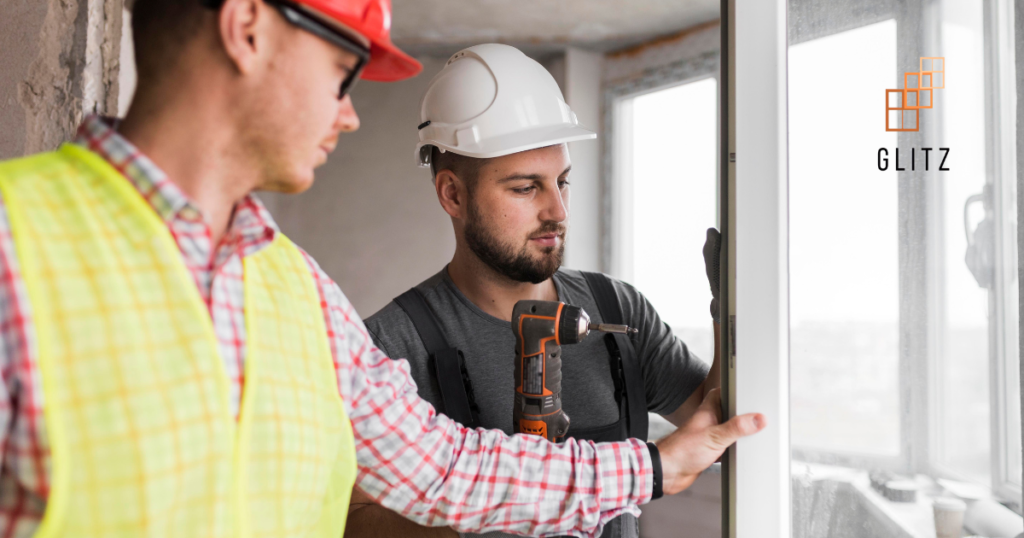
Can Double-Glazed Windows Be Repaired? Signs, Costs & When to Replace Them If you’ve noticed a draught creeping round your window frame or a strange haze building up between the panes, you’re probably asking the same question most homeowners in Coulsdon ask: is this something that can be fixed, or does the window need replacing altogether? It’s a fair question, and the honest answer is that it depends entirely on what’s actually gone wrong. Double glazing is built to last for decades, but no window is immune to wear. Understanding the difference between a quick repair and a job that calls for full replacement can save you money and stop small problems turning into bigger ones. Can Double-Glazed Windows Be Repaired? Yes, many double glazing problems can be repaired. Faulty hardware, stiff hinges, worn handles and minor draughts are usually straightforward fixes. However, once the sealed glazing unit itself has failed, causing permanent misting between the panes — the unit typically needs replacing rather than repairing, because the seal cannot be restored once moisture has entered the gap. In short: hardware and frame issues are often repairable. Glass and seal failures usually aren’t, and call for a new sealed unit or window. What Problems Can Be Repaired? A number of common double glazing issues can be resolved without replacing the whole window: Faulty hinges that make a window sag, stick or fail to close properly Worn or broken handles affecting how smoothly a window opens Failing locks, which matter for both convenience and home security Opening and closing problems, often caused by hardware wear rather than the glass itself Minor draughts around the frame, sometimes fixed with adjustment or new weatherstripping Certain seal-related issues where the perimeter seal around the frame — not the sealed unit itself — has worn down It’s worth being clear here: repairing a hinge or handle is a frame and hardware job. Repairing a sealed unit that has misted internally is different, and in most cases isn’t possible, the unit needs replacing. When Does Double Glazing Need Replacement? Some signs point clearly towards replacement rather than repair: Persistent condensation trapped between the panes Glass that stays misted no matter how often you clean it A failed sealed unit that no longer insulates effectively Cracked, chipped or otherwise damaged glass Frames that have warped, rotted or become structurally unsound Draughts so significant that no amount of adjustment resolves them Noticeably poor thermal performance compared with the rest of the property Windows that need repeated repairs for the same recurring fault If you’re seeing more than one of these, replacement is usually the more sensible long-term option. Can Misted Double Glazing Be Repaired? This depends entirely on where the moisture actually sits. Surface condensation — the light mist that forms on the inside of the glass on a cold morning, isn’t a fault at all. It’s caused by humidity in the room meeting a cold surface, and it clears with ventilation. Misting between the panes is different. It means the seal on the sealed unit has failed, letting moist air inside where it can’t be wiped away. This trapped condensation can’t be cleaned or repaired — the only genuine fix is a new sealed unit or window. Double Glazing Repair vs Replacement Factor Repair Replacement Typical problem Hinges, handles, locks, draughts, minor seals Failed sealed units, misting between panes, cracked glass, damaged frames Cost Generally lower, job-dependent Higher upfront, but resolves the issue permanently Time Often completed quickly Depends on scope; measuring and manufacturing may add time Energy efficiency Improves if draughts are the issue Can significantly improve thermal performance Lifespan Extends the window’s usable life Provides a longer-term, fresh-start solution Appearance Restores function, not always finish Improves both function and appearance Best suited for Hardware faults, minor issues Failed units, damaged frames, older or repeatedly faulty windows How Much Does Double Glazing Repair Cost? There’s no single figure that applies to every job, and we won’t invent one here. Repair and replacement costs both depend on several factors: The size and number of windows involved Whether it’s a single hardware fix or a full sealed unit replacement The type of glazing (standard double glazing, Low-E glass, acoustic glass) Frame material, uPVC, aluminium or timber Whether just the glass needs replacing or the whole window The condition and type of existing hardware Accessibility, such as upper-floor windows The overall extent of the damage The only reliable way to get an accurate cost is a proper assessment, which is why a free, no-obligation quote is usually the sensible first step. Signs You Should Replace Your Double-Glazed Windows Misting that keeps returning between the panes Visible gaps or draughts around the frame Rooms that feel noticeably colder near the window Rising energy bills without an obvious cause Frames that are cracked, warped or rotting Windows original to an older property that have never been upgraded Benefits of Professional Double Glazing Repair Where repair is genuinely appropriate, it can restore smooth operation, reduce draughts, and extend the useful life of a window that’s otherwise in good condition — without the cost of full replacement. It won’t solve every problem, though. A repair only fixes what’s actually repairable; it can’t restore a failed sealed unit or a rotten frame. When Replacement May Be the Better Investment Once a sealed unit has failed, or a frame has deteriorated structurally, replacement tends to be the more cost-effective route over time. Modern A-rated glazing improves thermal performance and comfort, and avoids paying repeatedly for repairs on a window that keeps developing the same fault. Double Glazing Repair in Coulsdon Homeowners across Coulsdon, Old Coulsdon, Purley, Chipstead and the wider Croydon and Surrey area regularly face this repair-or-replace decision, particularly in properties with older glazing. A local assessment is the most reliable way to know which category your windows fall into — a technician can identify whether the issue is hardware, seals or the glazing unit itself, rather than guessing from a description alone.
Window Repair vs Window Replacement: The Complete Homeowner’s Guide for Coulsdon Homes (Costs, Signs & Expert Advice)
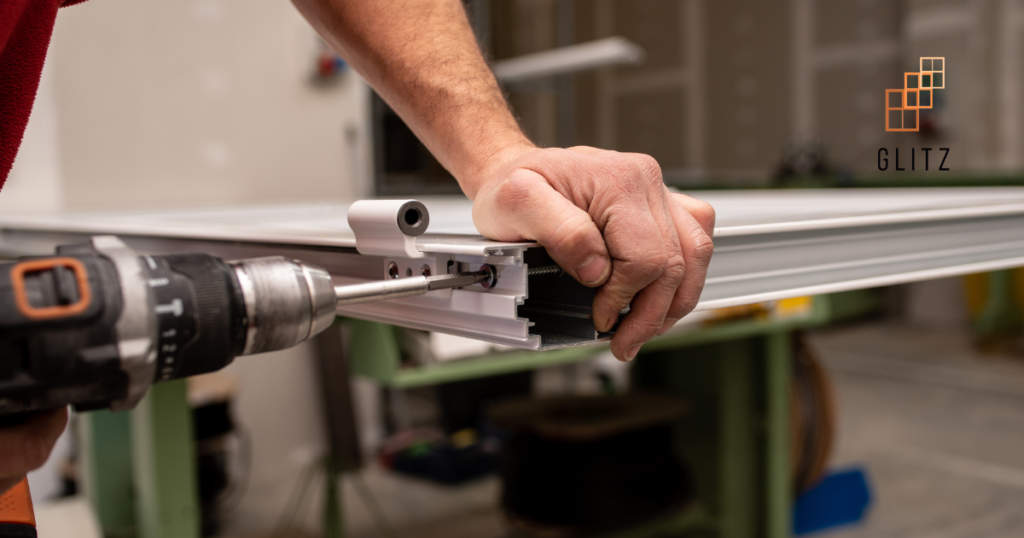
Window Repair vs Window Replacement: The Complete Homeowner’s Guide for Coulsdon Homes (Costs, Signs & Expert Advice) If your windows are draughty, sticking, or fogged up between the panes, you’re facing a decision every homeowner eventually meets: repair or replace? Get it right and you save money. Get it wrong and you pay twice — once for a patch-up, then again for the replacement you needed all along. For homeowners across Coulsdon, Purley, Croydon, Caterham, Banstead and Sutton, this choice affects energy bills, security, and property value at resale. This guide covers how to tell the difference, realistic UK costs, and when each option makes sense. What Is Window Repair? Window repair means fixing specific faults in an existing frame or glazing unit rather than replacing the whole window. It’s the right call when the frame is structurally sound and only isolated components have failed. Common repair types include: Replacing worn window seals or draught-proofing strips Fixing or replacing window hinges and handles Repairing damaged window locks for improved home security Re-sealing or replacing a single fogged glazing unit Adjusting misaligned casement or sash windows Repairing minor frame damage or chips in uPVC Benefits: Lower cost, faster turnaround, and minimal disruption. Limitations: Repairs extend the life of an ageing window but won’t improve overall thermal or sound insulation, and won’t stop deterioration once a frame starts to fail structurally. Repair suits windows under 15–20 years old with good frames but a specific fault. What Is Window Replacement? Window replacement involves removing the entire window, frame and glazing unit and fitting a new one, typically A-rated uPVC or aluminium windows with modern double glazing or triple glazing. The process usually involves: A free home measurement and survey Selecting frame material, style, and glass specification Manufacturing to size (bespoke, made-to-measure) Professional installation, usually completed in a single day for standard windows FENSA certification confirming compliance with UK Building Regulations Benefits: Significantly better thermal insulation, reduced condensation, stronger home security with multi-point locks, a refreshed appearance, and a genuine boost to property value particularly relevant if you’re planning to sell in Coulsdon. Modern Low-E glass cuts heat loss dramatically compared with older double glazing from the 1990s and early 2000s, which is why replacement often pays for itself through lower energy bills. Window Repair vs Window Replacement Comparison Table Factor Window Repair Window Replacement Cost Lower upfront cost Higher upfront investment Lifespan Extends life by a few years 20+ years with modern uPVC/aluminium Energy Efficiency Minor improvement Significant improvement (A-rated options) Home Security Improved if locks/hinges repaired Best-in-class multi-point locking Appearance Same frame, refreshed parts Fully modernised look Maintenance Ongoing, as faults recur Minimal for many years Installation Time Hours Typically one day per window Return on Investment Good for short-term fixes Stronger long-term ROI Signs Your Windows Can Be Repaired A single pane has misted up but the frame is otherwise solid Handles or hinges are stiff, loose, or broken Draughts are coming from worn seals rather than the frame itself The window is under roughly 15 years old Frame shows only cosmetic wear, no rot, warping, or cracking Signs You Should Replace Your Windows Multiple panes across the property are fogged or showing condensation between the glass Frames are warped, cracked, or soft to the touch (common in older timber or ageing uPVC) Windows are difficult to open, close, or lock securely Noticeable draughts even after resealing Energy bills feel disproportionately high for the size of the property Windows are original to a home built or last upgraded over 20 years ago Cost Comparison As a general guide (actual costs depend on size, material, glazing and access): Minor repairs (seals, hinges, locks): typically in the lower hundreds per window Single glazing unit re-glaze: moderate cost, well below a full new window Full window replacement: varies by frame material and glazing type, with aluminium and triple glazing at the higher end and standard uPVC casement windows at the more affordable end Pricing factors include window size and style (bay and bow windows cost more than casement), frame material, glazing spec, and how many windows are replaced at once. Always get a free, no-obligation quote and home measurement before committing either way. Benefits of Repair Lower immediate cost Ideal for isolated, specific problems Minimal disruption to your home A sensible option if you’re not planning major works soon Benefits of Replacement Long-term energy savings through improved thermal insulation Stronger home security with modern locking systems Increased property value, useful for anyone considering a future sale Reduced maintenance for years to come Whole-house consistency in appearance and performance Expert Advice If you’re dealing with one or two isolated issues on otherwise sound windows, repair is usually the sensible choice. If you’re facing recurring problems, several failing windows or ageing glazing throughout the property, replacement tends to offer better long-term value. A good rule of thumb: if you’ve called out a repair more than once for the same window, or you’re seeing the same faults across several windows, it’s worth getting a professional assessment rather than patching things up individually. Conclusion Whether your Coulsdon home needs a quick repair or a full replacement, Glitz Windows & Doors has spent over 25 years helping homeowners across Coulsdon, Purley, Croydon, Caterham, Banstead, Sutton and Surrey make the right choice. As a FENSA-registered, family-run team, we offer free, no-obligation quotes and home measurements before any work begins. Get in touch with Glitz Windows today to book your free assessment. Frequently Asked Questions Is it cheaper to repair or replace windows? Repairing is almost always cheaper upfront for isolated issues like a broken seal or hinge. If a window has multiple faults or the frame is deteriorating, replacement usually works out better value over time. How do I know if my windows need replacing? Look for condensation between panes, warped or cracked frames, difficulty opening or locking, persistent draughts, and windows over 20 years old. Multiple faults across several windows point to replacement rather than repair. Can a
10 Signs It’s Time to Replace Your Windows (And Why You Shouldn’t Wait)
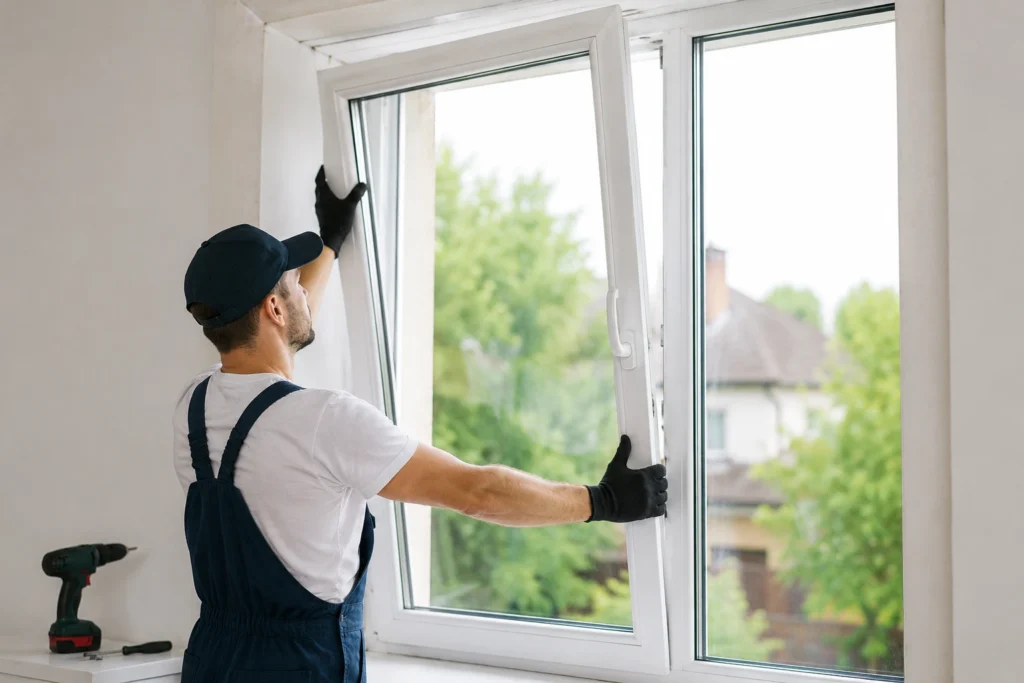
10 Signs It’s Time to Replace Your Windows (And Why You Shouldn’t Wait) Your windows do more work than you probably give them credit for. They keep the British weather where it belongs (outside), they trap the heat you’re paying good money for, and they play a quiet but real role in keeping your home secure. The trouble is, windows fail gradually. There’s rarely one dramatic moment where you think “right, that’s it time for new ones.” Instead, it’s a slow creep of draughts, sticky frames, and energy bills that seem to climb every winter regardless of how careful you are with the thermostat. Most homeowners wait far longer than they should before replacing ageing windows often because the signs are easy to explain away. A bit of condensation here, a stiff handle there. But these small issues tend to point to bigger problems underneath. Here are 10 signs it’s genuinely time to replace your windows, plus what to do about it. 1. Your Energy Bills Keep Increasing If your heating costs are rising and you can’t pin it on energy price hikes alone, your windows might be to blame. Older windows especially single-glazed or early double-glazed units, lose heat through the glass and around the frame. That warm air you’re paying for simply escapes, and your boiler works harder to compensate. Modern energy efficient windows use improved glazing and better seals to keep heat inside, which can make a noticeable difference to monthly bills. 2. You Feel Draughts Near Closed Windows Run your hand around the edge of a closed window on a windy day. Feel a breeze? That’s a draught, and it means the seal between the frame and the glass (or the frame and the wall) has broken down. Draughty windows aren’t just uncomfortable; they’re a sign that your home’s insulation has a weak point that’s only going to get worse. 3. Condensation Forms Between Glass Panes A bit of condensation on the inside of your windows on a cold morning is normal. Condensation between the panes of a double glazed unit is not. This means the seal has failed and the gas or air gap that provides insulation has been compromised. Once this happens, the unit can’t be repaired effectively. It needs replacing. 4. Your Windows Are Difficult to Open or Close Warped frames, swollen wood, or worn mechanisms can make windows stiff, sticky, or impossible to open. This is more than an annoyance. Windows that won’t open properly are a safety issue if you ever need a quick escape route, and windows that won’t close fully leave gaps for draughts and water ingress. 5. Visible Damage to Frames or Glass Cracked glass, rotting timber, corroded uPVC, or flaking paint are all signs of structural deterioration. Frame damage in particular tends to get worse with time and exposure to UK weather, so what starts as a cosmetic issue can become a functional one. 6. Outside Noise Is Becoming More Noticeable If traffic, neighbours, or general street noise seem louder than they used to be, it might not be your hearing. It could be that your window seals and glazing have degraded, reducing their ability to dampen sound. Modern double glazed windows are considerably better at noise reduction than older units. 7. Your Home Feels Too Hot in Summer or Too Cold in Winter Windows that struggle to regulate temperature are a clear sign of poor insulation. If certain rooms feel like cold spots in winter or become unbearably stuffy in summer, your windows may no longer be doing their job of keeping the indoor climate stable. 8. Your Windows Look Outdated Kerb appeal matters, particularly if you’re thinking of selling. Tired, discoloured, or old-fashioned window frames can make an otherwise well-kept property look neglected from the outside. New windows are one of the more visible ways to refresh a home’s appearance. 9. You’re Spending Too Much on Repairs A repair here and there is normal maintenance. Repeated call-outs for the same issues are a sign you’re throwing money at a problem that won’t be properly solved until the windows themselves are replaced. At a certain point, the maths simply favours replacement over repair. 10. You’re Planning a Home Renovation In the event that you are adding on, renovating or updating your house, then it could make sense to incorporate window replacement with any of these improvements. When windows are replaced at the same time as other improvements made to the property, you will often have a lower overall cost and a more uniform finished product. Window Repair vs Window Replacement: Which Is the Better Investment? This is dependent on the severity of the problem. Minor problems, stiff hinge, or an occasional cracked pane can easily be fixed. However, if seals have failed or the frame is damaged or windows are more than 20 years old replacement is likely more cost effective in the long run. The benefit of lower energy bills, comfort and value added to your property can make the difference and in many cases outweigh the initial investment of the new windows. Benefits of Replacing Your Windows The windows offer a mix of economic and functional advantages: they are more energy efficient, reduce heating costs are more secure, add value to the property, look better, are more comfortable and make a real difference in noise reduction. It is one of the more impactful home improvement investments for many homeowners. How to Choose the Right Replacement Windows uPVC windows remain a popular choice for UK homes thanks to their durability and low maintenance. Look for double glazed (or triple glazed) options with strong energy ratings, and don’t overlook security features like multi-point locking systems. Just as importantly, choose professional installation. Even the best windows underperform if they’re fitted poorly. Final Thoughts If you recognised even a few of these signs in your own home it’s worth taking a closer look at your windows rather than waiting for things to get worse. Draughts, rising bills
Are uPVC Windows Worth It in Coulsdon? Costs, Lifespan & Energy Efficiency
Are uPVC Windows Worth It in Coulsdon? Costs, Lifespan & Energy Efficiency Everything Coulsdon homeowners need to know before investing in new uPVC double glazing, from real costs to long-term savings. As a homeowner in Coulsdon contemplating if replacing your windows with uPVC windows is an expense worth making, this question is very pertinent right now considering energy prices continue to increase throughout South London and Surrey. More Coulsdon homeowners than ever before are looking into modern double glazing options such as uPVC Windows Coulsdon, but due to the installation prices, lifespan, and the conflicting information found on the internet, it is becoming increasingly difficult for homeowners to make a decision regarding uPVC window installations. In this article, we will provide you with concrete examples of installation prices, how long uPVC window products are expected to last within the UK climate, what you can expect from energy savings after installing uPVC windows, and, most importantly if making a switch is going to make financial sense for your home in Coulsdon or not. Why Coulsdon Homeowners Are Choosing uPVC Windows Coulsdon sits in a transitional zone between Greater London and the Surrey commuter belt, where Victorian and Edwardian terraces sit alongside 1930s semis and modern new-builds. Many of these homes still have original single-glazed timber frames or aging double glazing from the 1990s, and they’re losing significant heat as a result. For this reason, uPVC (unplasticised polyvinyl chloride) has grown to become the No 1 window material utilised in the UK for many reasons! The thermal insulation provided by uPVC, combined with low maintenance requirements, ease of cleaning, high levels of weather resistance and competitive price means homeowners across south London choose to upgrade existing single-glazed windows with energy-efficient uPVC double glazing and are making savings on their heating bills whilst doing so. From Chipstead Valley Road to Coulsdon Common, local installers like Glitz Windows are fitting uPVC windows daily, and the demand reflects a clear homeowner priority: better comfort, lower bills, and improved curb appeal without breaking the budget. uPVC Window Costs in Coulsdon (2026 Prices) One of the most common questions we hear is: “How much does uPVC window installation actually cost in Coulsdon?” The honest answer is that prices vary depending on window style, size, glazing specification, and the number of units being replaced. Below is a realistic breakdown based on current market rates. Window Type Supply & Install (per unit) Typical Application Casement Window (standard) Most Popular £300 – £600 Bedrooms, living rooms Tilt & Turn Window £400 – £750 Upper floors, flats Sash Window (uPVC) £550 – £900 Victorian & Edwardian homes Bay Window £800 – £1,500+ Front reception rooms Full House (avg. 8 windows) £3,500 – £7,000 Whole-home replacement Replacing all windows in one installation visit is almost always more cost-effective than replacing them one by one. Most reputable installers, including Glitz Windows, offer multi-window discounts that can reduce the per-unit cost by 10–20%. What Factors Affect the Price? Several variables influence your final uPVC window installation cost in Coulsdon. Glazing specification is a major factor, standard A-rated double glazing is most affordable, while triple glazing or argon-gas-filled units command a premium. Window profile depth, hardware quality (handles, hinges), and whether you choose white or coloured frames all influence pricing. Properties in Coulsdon with non-standard or larger window openings will naturally see higher costs due to bespoke manufacturing requirements. How Long Do uPVC Windows Last? This is a question that homeowners are often misinformed about. A properly manufactured and professionally installed uPVC window in the UK will typically last between 20 and 35 years. Quality matters enormously here, budget frames from unknown manufacturers may show signs of discoloration or seal failure within a decade. In contrast, premium profiles from established fabricators maintain their structural integrity and appearance for three decades or more. In the Coulsdon context, where properties face a mix of urban pollution, variable rainfall, and seasonal temperature swings, UV-stabilised uPVC frames are strongly recommended. These resist yellowing and brittleness far more effectively than standard profiles. Lifespan tip: The most common cause of premature uPVC window failure is not the frame itself but the sealed glazing unit (the double-glazed pane). Failed seals cause the tell-tale misting between panes. Sealed units can often be replaced without replacing the entire frame, saving significant cost if your frames are still in good structural condition. Maintenance That Extends Window Life Cleaning your frames with a mild detergent every six months, lubricating the hardware annually and inspecting your rubber seals for signs of wear will go a long way toward extending the functional life of your windows. These are all relatively easy and minor maintenance tasks, taking on average less than 60 minutes to complete, and represent only a small portion of the amount of time needed to maintain timber framed windows (typically including at least 12 months of moist and humid surroundings, which require being sanded, primed & painted). Energy Efficiency & What It Means for Your Bills The thermal performance of a window is measured by its U-value, the lower, the better. Single-glazed windows typically have a U-value of around 5.0 W/m²K, meaning they lose heat rapidly. Modern A-rated uPVC double glazing achieves U-values of 1.2–1.6 W/m²K, a dramatic improvement that translates directly into warmer rooms and lower heating bills. For a typical Coulsdon semi-detached home with eight windows, replacing single glazing with A-rated uPVC double glazing can save approximately £100–£200 per year on energy bills, according to current estimates from the Energy Saving Trust. Over the 20–35 year lifespan of the windows, that represents a cumulative saving of £2,000–£7,000, often exceeding the initial installation cost. Beyond the financial calculation, modern uPVC windows also provide significant noise reduction, a real quality-of-life benefit for homes near Coulsdon’s busier roads, the A23, or the Coulsdon South train line. Acoustic laminated glazing, available as an upgrade, can reduce external noise by up to 40 decibels. Energy Rating to Look For: Always check for the BFRC (British Fenestration Rating Council)
UPVC Double Glazed Windows in Croydon: The Complete Homeowner’s Guide to Costs, Benefits & Getting a Free Quote
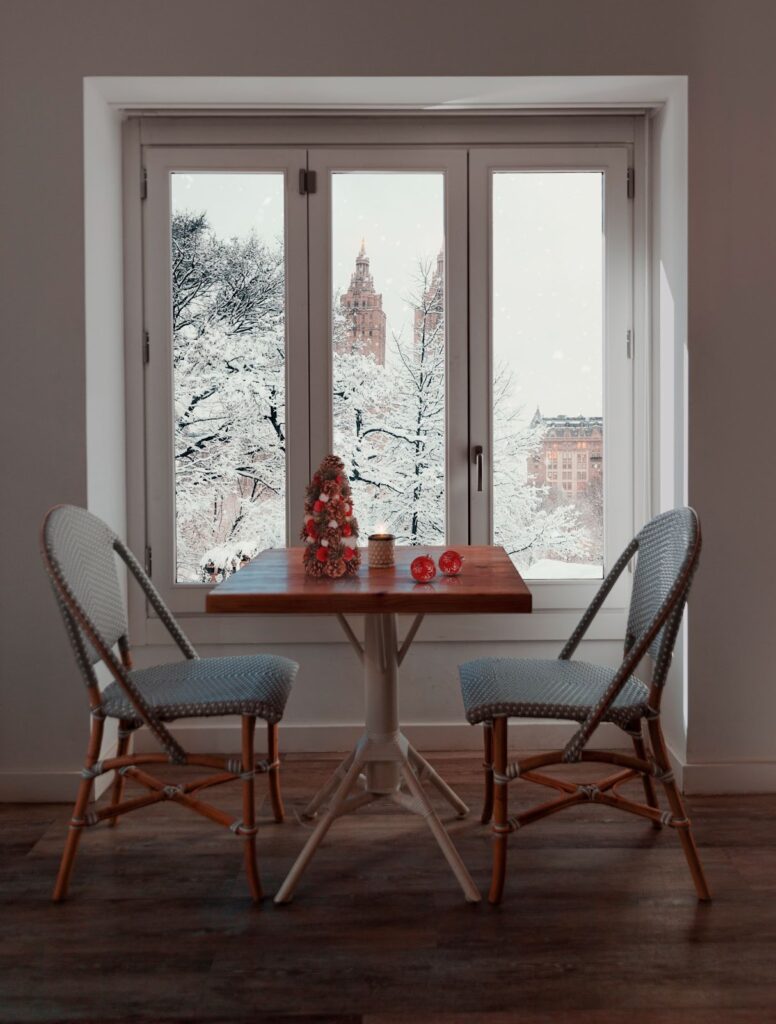
UPVC Double Glazed Windows in Croydon: The Complete Homeowner’s Guide to Costs, Benefits & Getting a Free Quote UPVC Double Glazed Windows in Croydon: The Complete Homeowner’s Guide to Costs, Benefits & Getting a Free Quote 1. Introduction Are you thinking of improving your home by installing UPVC double glazed windows? We will guide you through everything you need to know, including the cost, advantages, and obtaining a free quote from Glitz Windows, the local Croydon experts with over 25 years of experience in the industry. If you’re looking to replace old single-glazed windows that let in the cold, UPVC double glazed windows are one of the most popular home improvements available to homeowners in the UK. If you’re in Croydon, Coulsdon, Sutton, or the Surrey area, Glitz Windows is the local window specialist for you. 2. Overview of UPVC Double Glazed Windows But what exactly is UPVC?s a rigid, long-lasting form of plastic that will not rot, warp, or corrode, which is why it’s the material of choice for window frames throughout the UK. And what is the meaning of “Double Glazing?” Double glazing consists of two panes of glass separated by a space filled with the harmless gas Argon, providing insulation to your home. Together, UPVC frames and double-glazed units deliver a product that ticks every box for modern homeowners: excellent insulation, strong security, low maintenance, and a clean contemporary look that suits both traditional and modern properties across Croydon. Combining UPVC window frames with Double Glazing has resulted in the ultimate home improvement package that meets the needs of modern home owners: it’s well-insulated, secure, low maintenance, and has a sleek modern look that suits both old and new homes in Croydon. 3. Costs Associated with UPVC Double Glazed Windows Clearly, cost is a major factor to consider, and prices vary depending on window sizes, styles, glass types, and the number of windows you want to replace. If you are a homeowner in Croydon, England, in the year 2025, here is a general idea of what you might expect to pay for a window replacement service: Small casement window: £350 to £60 Medium casement window: £500 to £900 Large bay window: £1,200 to £2,500+ Full house windows replacement: £3,000 to £8,000+ These are general estimates, and the price will vary depending on your specific needs and requirements. At Glitz Windows, we provide a free visit and a detailed quote, so there are no surprises down the line. The savings on your energy bills will, in fact, start paying for itself in a few years’ time! 4. Benefits of UPVC Double Glazed Windows Energy Efficiency The amount of heat loss is greatly reduced with the use of UPVC double glazed windows. This means that the boiler is not on for as long, resulting in lower bills. A-rated windows can have a significant impact on the amount of money spent on bills for families living in Croydon, especially with the increasing prices of fuel. Noise Reduction The space between the two panes of glass acts as a sound barrier. Families living near roads or train tracks can have the noise of the outside world reduced by as much as 35 decibels with the use of double glazing. Enhanced Security Double glazed windows have advanced greatly from the old single-glazed windows that were so easy for burglars to break in. Modern UPVC double glazed windows have multi-point locking systems and can also have toughened glass. These windows are often sufficient for insurance purposes, giving families peace of mind. Low Maintenance & Durability Unlike wooden frames, UPVC windows do not need painting or any special treatment. They can simply be wiped clean. With a 10-year guarantee on all of our installations, Glitz Windows allows families to enjoy the benefits of double glazing for years. 5. How to Get a Free Quote from Glitz Windows Getting a free, no-obligation quote from Glitz Windows is simple and straightforward: Contact us by phone on 020 3370 7955, email at info@glitzwindows.co.uk, or via the enquiry form on glitzwindows.co.uk We’ll arrange a free home survey at a time that suits you — no pressure, no obligation You’ll receive a clear, itemised written quote covering all costs with no hidden extras Once happy, we book your installation — most jobs completed within a single day All windows are covered by our 10-year warranty for complete peace of mind We serve Croydon, Coulsdon, Caterham, Crawley, Sutton, Epsom, and the wider Surrey area. Whether it’s one window or a full-house replacement, our experienced team is ready to help. 6. Conclusion UPVC double-glazing windows can be a wise choice for Croydon residents, increasing their home’s energy efficiency, comfort, security, and aesthetic appeal simultaneously. Having over 25 years of experience, transparent pricing, and a commitment to quality craftsmanship, Glitz Windows is the trusted name for double glazing services in Croydon and Surrey. Contact us today for a free quote on your home improvement journey towards making your home warmer, quieter, and safer! FAQs Q1. How much do UPVC double-glazed windows cost in Croydon? Prices vary depending on the size, style, and number of windows. As a guide, a standard casement window typically costs between £350 and £900 including installation. Glitz Windows offers free home surveys and personalised quotes so you get an accurate price for your specific requirements. Q2. How long do UPVC double-glazed windows last? High-quality UPVC double-glazed windows typically last 20 to 25 years or more when properly installed. All windows installed by Glitz Windows come with a 10-year warranty, giving you added confidence in the longevity of your investment. Q3. Are UPVC double-glazed windows energy efficient? Yes. UPVC double-glazed windows are rated using the Window Energy Rating (WER) system. A-rated windows significantly reduce heat loss compared to single glazing, helping to lower your energy bills and reduce your home’s carbon footprint. Q4. Do I need planning permission to replace my windows in Croydon? In most cases, replacing
The Ultimate Guide to Choosing the Right Windows and Doors for UK Homes
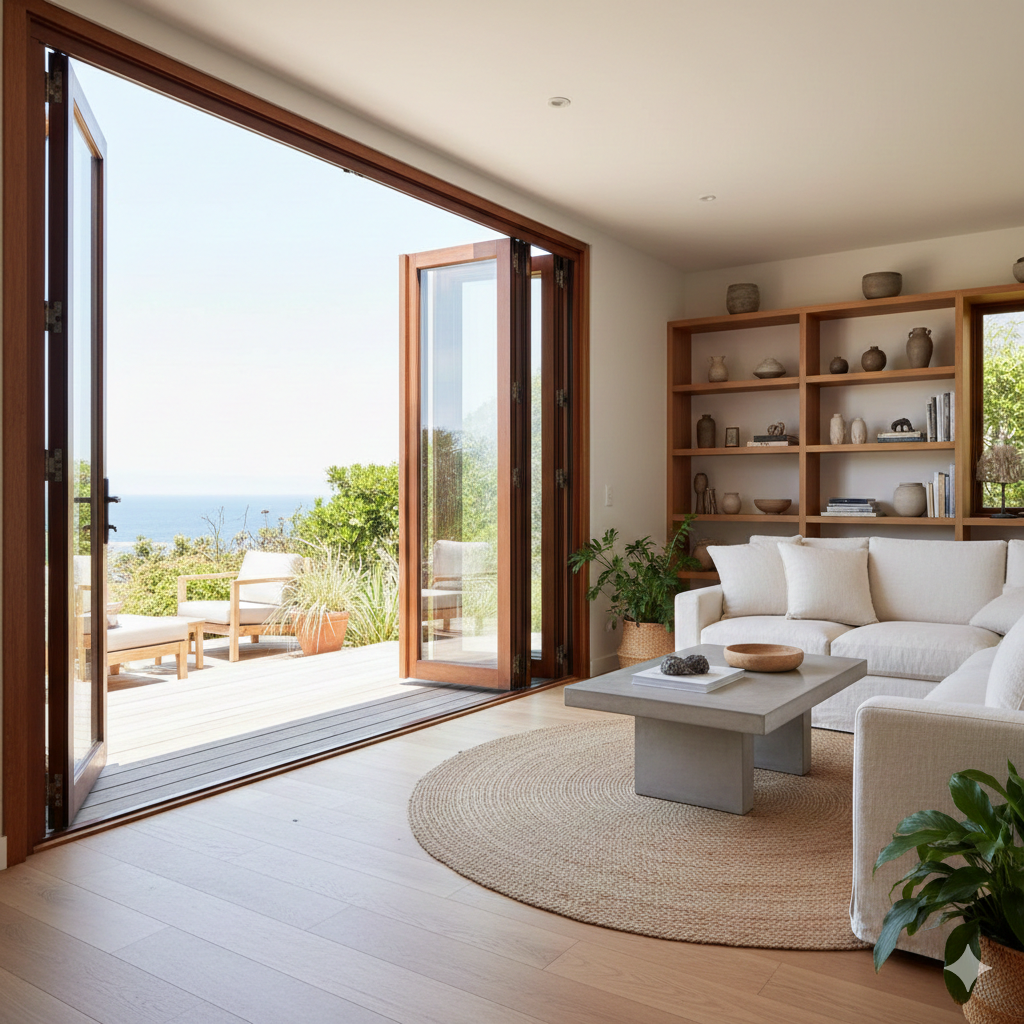
The Ultimate Guide to Choosing the Right Windows and Doors for UK Homes The Ultimate Guide to Choosing the Right Windows and Doors for UK Homes The selection of the correct kind of windows and doors can be a life-changing experience for a UK homeowner. A good product will create an environment that is much warmer, safer and more energy efficient. There are so many different options available to choose from (Double Glazing, Composite Doors etc.) it can feel incredibly daunting sometimes. To make this process less of a hassle for you, this helpful guide has been put together. It will allow you to better understand what to look for in terms of selecting your specific windows, doors, porches, bi-fold doors and conservatories here in the UK. By taking a practical approach in understanding what should be taken into consideration when upgrading or enhancing your home, it will help you make a better informed decision about what will give you the best comfort, security and style. Why Double Glazing Matters for UK Homes The use of Double Glazing products are critical to every home here in the UK. By using Double Glazing products you have increased insulation against heat losses, reduced levels of outside noise and increased Energy efficiency, making your home more comfortable. Benefits of Double Glazing Heating your home more effectively and efficiently Reducing levels of noise from outside. Having lower energy bills because Double Glazing keeps your home warmer. Increased Security through the use of stronger and more secure window units. When you purchase quality Double Glazing Products for your home you are ensuring that they will continue to perform and look good in your home for many years to come. Choosing the Right uPVC Windows One of the biggest reasons for uPVC Window popularity across the UK, is because they require very little maintenance, are extremely durable, and provide excellent Weather resistivity. Why uPVC Windows Are Ideal The ability to withstand Rain, Wind and UK climate scenarios. Minimal Maintenance when compared to Timber Windows. Contemporary, stylish designs that fit all different kinds of homes. Secure locking systems for peace of mind. The right uPVC windows can perform impressively for many years and ensure that you remain comfortable through each and every season. Doors That Combine Style and Function A door can be thought of as an entrance into your home, however they also serve other functions such as insulation, security, and their overall appearance. Composite Front Doors With strength and insulation to maintain heat Provider of enhanced beauty to your home through stylish design Built to withstand weather conditions in the UK and are long-lasting Matching Windows and Doors Pairing your doors with your windows will create a consistent look for your home, will provide you with enhanced energy efficiency, and will add to the overall value of your home. Expanding Your Home with Bi-Fold Doors, Porches, and Conservatories Your home is functional and filled with natural light, is a primary concern of the majority of homeowners in the UK. Bi-Fold Doors Open your living space into the garden or patio Maximize the amount of natural light available Create an area where the inside and outside are blended together Porches Built for practicality when entering the home Enhanced insulation capabilities to reduce heat loss Improved appearance of your property from the curb side Conservatories Provides added living space without requiring extensive construction work Designed to fit with your home’s current décor Can be insulated for continuous use throughout all four seasons FAQs What are some benefits of double-glazing windows for your home if you live in the UK? Double-glazed windows will offer additional warmth to your home, will block sound, and will offer you a reduction in your energy bill as well as an increase in your security. Is it possible to purchase uPVC windows for a home in the UK? Yes. uPVC windows will have a long lifespan, require little ongoing maintenance, are resistant to all types of weather, and will provide your home with superior insulation. Can Bi-Fold Doors and Conservatories be Used Year Round in the UK? Yes! Today’s bi-fold doors and conservatories are insulated and weather resistant, so you will always be comfortable using them. Conclusion: The choice of windows and doors in the UK isn’t simply an aesthetic decision, it has many impacts on a homeowner’s comfort, security, and value over time. Making educated decisions about double glazing or composite doors, for instance, means that a homeowner will have a warm and stylish home that is a safe place to be. Work with specialists who know the UK housing types and climates; it makes a huge difference. Tags : Share This : Recent Posts How Bifold Doors Transform Small UK Homes into Open, Light-Filled SpacesJanuary 19, 2026 How Composite Front Doors Improve Home Security, Energy Efficiency, and Curb AppealJanuary 2, 2026 The Ultimate Guide to Choosing the Right Windows and Doors for UK HomesDecember 19, 2025 Subscribe Our Newsletter At GLITZ Window & Door, we specialise in delivering high-quality window and door services backed by decades of hands-on experience. Send Categories Blogs