
Why Is There Condensation on Double-Glazed Windows? Causes, Fixes & When to Replace Them
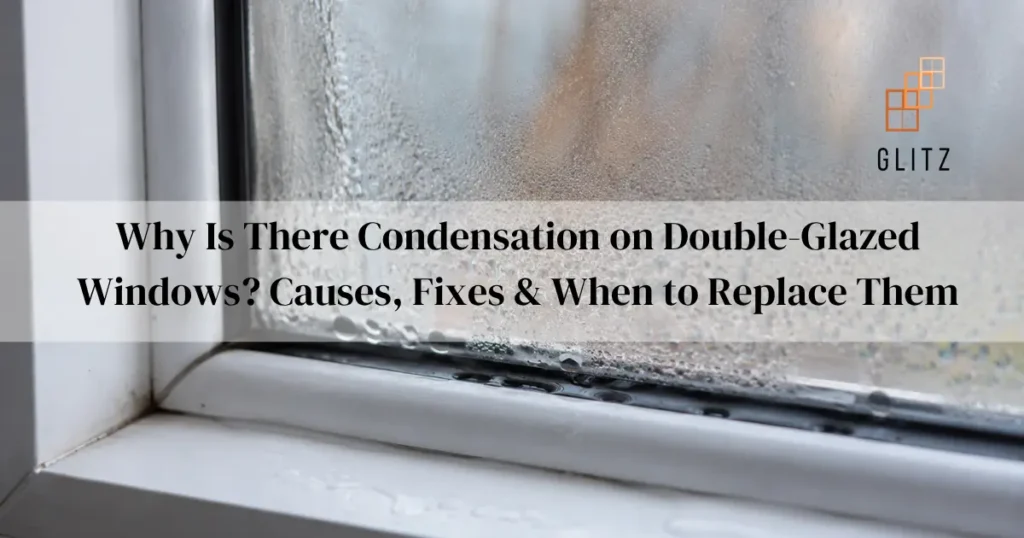
Why Is There Condensation on Double-Glazed Windows? Causes, Fixes & When to Replace Them Condensation on double-glazed windows catches most homeowners off guard, mainly because double glazing is supposed to be the solution to misty windows, not the cause of them. A bit of condensation on the inside of the glass on a cold morning is usually nothing to worry about. But condensation that keeps coming back, or fog that sits between the panes and never clears, is a different story, and it’s one worth paying attention to. Ignoring it rarely makes it go away. Persistent moisture around windows can lead to mould, damaged frames, and higher energy bills, and if the condensation is trapped inside the glazing unit itself, no amount of wiping or ventilation will fix it. This guide explains exactly where the moisture is coming from, what you can do about it, and when it’s time to call in a window repair or replacement specialist rather than keep reaching for a cloth. Quick Answer Condensation on double-glazed windows usually means one of three things: normal indoor humidity meeting a cold glass surface, poor ventilation in the room, or a failed seal letting moisture into the space between the panes. The first two are fixable with better airflow and heating habits. The third means the sealed unit has failed and the glazing needs replacing. The Three Types of Window Condensation Not all foggy windows have the same cause, and knowing which type you’re dealing with changes what you should do next. Where It Appears Likely Cause Can You Fix It Yourself? Inside the room, on the glass Indoor humidity and poor ventilation Yes, usually Between the two panes of glass Failed seal in the insulated glass unit No, needs professional replacement Outside the window, on the glass Cold glass meeting warm, humid outdoor air Not a fault, no action needed Condensation Inside the Room This is the type most homeowners see on a cold morning, and it’s the easiest to explain. Warm, moist air inside your home meets the cool surface of the glass and turns into water droplets. Cooking, showering, drying laundry indoors and even breathing all add moisture to the air, and double glazing, while excellent at reducing heat loss, still has a glass surface cool enough for humid air to condense against. This kind of condensation isn’t a fault with your windows. It’s a sign of humidity and airflow inside your home, and it responds well to a few simple changes. Condensation Between Double Glazing This is the one that should get your attention. If you see misted double glazing that sits between the two panes rather than on the inner surface, and it doesn’t clear no matter how much you ventilate the room the sealed unit has failed. A double-glazed unit relies on a warm edge spacer and sealed edges to keep an insulating gap of air or gas trapped between two panes of glass. Once that seal breaks down, moist air gets in and there’s no way to dry it out from either side. This is known as sealed unit failure or blown double glazing, and it’s a glazing fault not a ventilation issue. Condensation on the Outside Less common, but not a problem. Outdoor condensation happens when the outer pane cools faster than the surrounding air, usually on clear, cold nights, and humid morning air condenses against it. It’s actually a sign that your windows are insulating well, keeping the glass temperature low relative to the air outside. What Causes Condensation on Double-Glazed Windows? A few everyday habits and home conditions make indoor condensation more likely: Cooking and boiling water without extractor fans runnin Drying clothes indoors on radiators Long, hot showers with the bathroom door open Poor ventilation, especially in older properties with draught-proofed windows and no trickle vents Overcrowded rooms with limited air circulation Cold weather, which widens the temperature gap between indoor air and the glass None of these mean your windows are faulty. They simply mean there’s more moisture in the air than your current ventilation can manage. How to Reduce Condensation on Double-Glazed Windows Ventilate after cooking and showering. Use extractor fans and open trickle vents where fitted. Avoid drying laundry on radiators. Dry clothes outside or use a vented tumble dryer instead. Keep consistent background heating. Cold rooms with sudden warm bursts create more condensation than steady, moderate heat. Open windows briefly each day. Five to ten minutes of air circulation helps moisture escape rather than settle on cold glass. Wipe away condensation promptly. This prevents moisture sitting on frames and sills long enough to cause mould or timber damage. Check trickle vents aren’t blocked or painted over. These small vents are designed specifically to manage indoor humidity. Blown Double Glazing: Signs to Watch For Sealed unit failure doesn’t always look the same in every window. Common signs include: A persistent haze or fog between the panes that never clears Visible water droplets or streaks trapped inside the glass A cloudy or discoloured patch that appears in the same spot repeatedly Reduced clarity when looking through the glass, even when the rest of the window is clean If any of these sound familiar, it’s worth arranging a window repair assessment. In many cases, only the glazing unit itself needs replacing, not the entire window frame. Can Blown Double Glazing Be Repaired, or Does It Need Replacing? In most cases, a failed sealed unit needs replacing rather than repairing. Once moisture gets inside an insulated glass unit, the seal has broken down permanently, and there’s no reliable way to reseal it or remove the trapped moisture for good. Reputable double glazing specialists will usually replace just the glazing unit within the existing frame, rather than the whole window, which keeps costs down considerably. Does Replacing Double Glazing Improve Energy Efficiency? Yes. Modern replacement glazing typically uses low-E glass and improved spacer technology, both of which reduce heat loss more effectively than older units. If
What Is Double Glazing and How Does It Work?
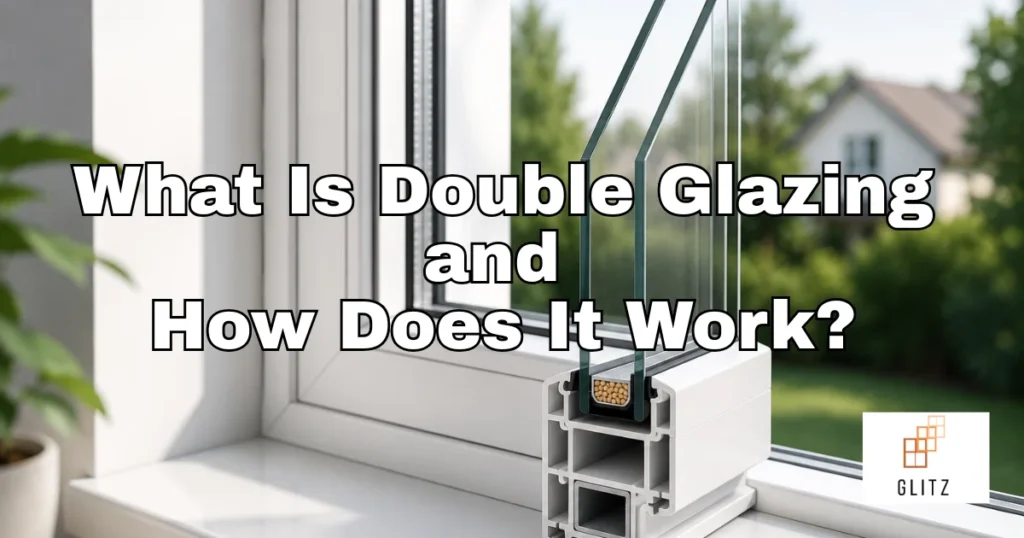
What Is Double Glazing and How Does It Work? Double glazing uses two panes of glass separated by an insulating gap to improve energy efficiency, reduce heat loss and increase home comfort. There’s a small gap between them, usually filled with air or gas and that gap is doing most of the work. Heat naturally tries to escape from your home, especially through windows. With a single pane, it does not have much resistance. With double glazing, that extra layer slows things down. The inner pane stays warmer and less cold air seeps in from outside. Despite its simple design, double glazing is one of the most effective ways to improve insulation in UK homes. Why Your Home Needs Double Glazing Improved Energy Efficiency A lot of heat loss in homes happens through windows more than most people realise. Once double glazing is installed, that loss is reduced, which means your heating is not constantly trying to catch up. You might not notice it overnight, but over time, it does show up on your energy bills. Better Home Insulation & Comfort This is probably the bit people notice first. Rooms feel more comfortable and maintain a more consistent temperature throughout the day. You do not get that cold “edge” near the window anymore and you are not constantly adjusting the thermostat. It’s a quieter kind of improvement, but it makes a difference day to day. Increased Security Older windows can be surprisingly easy to force. Double glazed units are built differently; they are tougher and they are usually fitted with better locking systems. It’s not something you think about every day, but it does add an extra layer of reassurance. Reduced Condensation Condensation can be really irritating if you’ve ever had to clean your windows in the morning. But that’s not all – if left untreated, it can even cause mould to form. Double glazing ensures that the inner pane of glass stays warm enough to keep condensation to a minimum. Higher Property Value Buyers do notice things like this now. A home with double glazing already sorted is one less job for them to worry about. It won’t magically double your house price, but it does make your property easier to sell. UV Protection for Interiors It’s easy to overlook, but sunlight does wear things down over time. Sofas, flooring, curtains—they all fade eventually. Double glazing helps limit that exposure slightly, which can help things last a bit longer. Environmental Benefits Using less energy is better all around. If your home holds heat more efficiently, you are not burning as much fuel to keep it warm. It’s not a dramatic change on its own but combined with other improvements, it adds up. What Types of Windows and Doors Can Be Double Glazed? At Glitz Windows, a wide range of windows and doors can be fitted with double glazing to suit different property styles and practical needs. Our options include: uPVC WindowsA popular choice across the UK, uPVC windows are low maintenance, energy efficient and available in a variety of styles. Casement WindowsSimple and practical, casement windows are one of the most common styles and work particularly well with double glazing. Bay Windows and Bow WindowsIdeal for adding space and natural light, these window styles can be double glazed to improve both comfort and efficiency. Tilt and Turn WindowsDesigned for flexibility, these windows offer easy cleaning and good ventilation alongside reliable insulation. Composite Front DoorsStrong, secure and stylish, composite doors often include double glazed panels for added insulation. Bifold DoorsA modern option for opening up your living space, bifold doors combine large glass panels with effective thermal performance. Patio DoorsSliding patio doors are ideal for saving space while still letting in plenty of light. French DoorsA classic choice, French doors offer a balanced mix of style and energy efficiency. Key Things to Consider Before Installing Double Glazing This is usually where people pause and rightly so. Frame choice matters more than people expect. uPVC is popular because it’s affordable and low maintenance. Aluminium has a cleaner, more modern look. Timber looks great on older properties but does need looking after. Cost is another factor. It’s not the cheapest upgrade you will make to a home. But it’s also not one that goes to waste; you do get the benefit back over time. Energy ratings are worth checking too. Not all double glazing is equal and small differences in specification can affect performance more than you’d think. If noise is an issue where you live near a main road, for example, double glazing can help take the edge off. It won’t block everything, but it’s noticeably quieter. And then there’s installation. Even the best windows won’t perform properly if they are poorly fitted. It’s one of those jobs where doing it right the first time really matters. How can Glitz Windows help? This is where having the right company makes things easier. At Glitz Windows, the approach tends to be straightforward: look at the property properly, understand what’s needed and recommend something that actually fits. Not every home needs the same solution and that’s taken into account. The materials used are solid and the installation side is handled carefully, which is often where the difference shows. For most homeowners, it’s less about being “sold to” and more about getting clear advice and a job done properly. Final Thoughts on Double Glazing Double glazing is not flashy. It’s not the kind of upgrade you show off.Once installed however, there are a few things you will notice – the rooms become warmer, the house becomes more peaceful, and you are no longer adjusting the heater constantly.It’s like something that just makes life easier. And over time, that counts for quite a lot. Double Glazing FAQs Can I customise the design of double glazing? Absolutely, you can choose from different styles, frame materials, colours and finishes to match your home. Glitz Windows will work with you to create the look you want. Is
Double Glazing in Coulsdon: Costs, Benefits & Best Installers

Double Glazing in Coulsdon: Costs, Benefits & Best Installers If you live in Coulsdon and you’re still dealing with draughty windows, sky-high energy bills, or unwanted street noise seeping into your living room, it’s time to seriously consider double glazing. Whether you’re upgrading an older property near Coulsdon town centre or fitting out a newer build in the CR5 area, investing in quality double-glazed windows is one of the smartest home improvement decisions you can make in 2026. In this comprehensive guide, we discuss a range of topics including the price of double glazing in Coulsdon, the tangible benefits experienced by homeowners in your area, the styles available and how to select an installer that you can depend on. In addition, we’ve identified practical tips to help identify some of the common traps unsuspecting buyers fall into when purchasing double glazing. What Is Double Glazing and Why Does It Matter? Two pieces of glass with space between them are generally referred to as double glazed windows; they have been hermetically sealed with usually argon gas or dry air between each pane providing a thermal break (buffer), creating an incredibly effective way to reduce heat loss from your home (vs. single pane/standard windows). In addition, homeowners in the area who will experience very cold temperatures during the winter months and have a very busy commuter lifestyle are likely concerned about noise from local highways and railways. An upgrade to A-rated modern double glazing will assist in retaining heat, and also offer a reduction in external noise, a reduction of condensation, and improved security, all of which are advantages provided by modern double-glazed units that standard windows do not provide. Double Glazing Costs in Coulsdon (2026 Pricing Guide) One of the most common questions homeowners ask is: ‘How much does double glazing cost?’ The honest answer is, it depends on several factors, including window size, frame material, style, and the number of units you need. Window Type Estimated Cost (per window) Notes Standard Casement (uPVC) £350 – £600 Most popular; great energy performance Sash Window (uPVC) £600 – £1,000 Period properties; traditional look Bay Window (3-panel) £1,200 – £2,500 Adds space & kerb appeal Tilt & Turn Window £450 – £750 Easy cleaning; child-safe option Aluminium Frame Window £600 – £1,100 Slimmer frames; contemporary design Full House Package (4–8 windows) £2,500 – £6,500 Prices vary by property size These figures are estimates for supply and installation in the Coulsdon and wider Croydon area. Prices can shift depending on glazing specification (acoustic, laminated, obscure), installation complexity, and whether scaffolding is required for upper-floor windows. What Affects the Final Price? Frame material — uPVC is the most cost-effective; aluminium costs more but lasts longer Number of windows — bulk installation brings the per-unit price down significantly Window style — standard casements cost less than bay or bow windows Glass specification — acoustic or toughened glazing adds to the overall cost Installation complexity — first-floor or awkward access installations may cost more Installer reputation and warranty — established, FENSA-registered companies may charge a premium, but it’s worth it Key Benefits of Double Glazing for Coulsdon Homeowners 1. Lower Energy Bills Heating represents a sizeable part of the UK household’s annual expenditure. If your existing windows are single-glazed and lack a good energy rating, double-glazed windows with an A or A+ energy rating can, in some cases, reduce your heat loss by up to 50%. 2. Reduced Noise Pollution There is good transport access to Coulsdon, which is a bonus for commuters, but there won’t be much quiet if you live on a busy local road. By installing quality double-glazed windows, your property will benefit from significant levels of acoustic insulation. Using a thicker inner pane, acoustic double glazing will help reduce the transmission of sound waves, resulting in a much quieter home environment. 3. Improved Home Security Modern-day double-glazed windows have a multi-point locking system and, as standard, are manufactured using toughened or laminated glass. These features will make it extremely difficult for intruders to access your home. Upgrading your glazing will provide you with one of the most practical security measures if, like many other Coulsdon properties, you have concerns about your home security. 4. Less Condensation By reducing the possibility of condensation and improving warmth from the interior glass, double glazing reduces the chance of mould growing inside homes as well as creating a more comfortable living environment for those who live in a warm and humid area. Kitchens and bathrooms are frequently cited as being two of the most humid areas in our homes so this is particularly useful for homeowners with these rooms. 5. Increased Property Value New windows are becoming increasingly important when trying to sell homes in competitive areas (i.e. Coulsdon). New windows not only improve the look of your property but also add about 5% to 10% to your home’s resale value once installed, meaning potential buyers can tell that their home has been cared for. Types of Double Glazed Windows Available in Coulsdon Casement Windows: In the UK, casement-style windows are the most popular and widely-installed window style. They are hinged along the side and can allow for great ventilation and thermal efficiency. They come available in many colour and finish options, making it easy to match to either traditional or modern homes. Sash Windows: Sash windows fit within the character of older Victorian/Edwardian homes that are plentiful in the Coulsdon area, while delivering the same thermal and acoustic benefits as modern glazing technologies. Tilt & Turn Windows: A versatile design, tilt & turn windows allow you to tilt the top of the window in to ventilate as well as to completely open for easy cleaning; perfect for upper floors or homes with children. Bay & Bow Windows: Structural windows have an outward projection from your house’s exterior. They provide greater light transmission and create the appearance of added space; therefore, they are an extremely popular renovation project for front bedrooms and living rooms. Aluminium Frame Windows:
Double Glazing vs Triple Glazing: Which One’s Right for Your Home?
Double Glazing vs Triple Glazing: Which One’s Right for Your Home? Double Glazing vs Triple Glazing: Which One’s Right for Your Home? If your home still feels cold even with the heating on, or you’re tired of outside noise creeping in, your windows could be the problem. Most UK homeowners pose the same question when they are upgrading: “Should I opt for double glazing or triple glazing?” It’s a good question to ask. The glazing you select can alter the comfort level of your home, the amount of energy you consume, and the level of quiet in your space. In this article, we’ll outline the key differences between double glazing and triple glazing, so you can make an informed decision about which to select for your home and budget. What Is Double Glazing? Double glazing features two pieces of glass with a clear layer of air or gas (in most cases, argon) between them. That unseen layer serves as insulation — keeping the warmth in during winter and the cold air out. Why homeowners love double glazing: Keeps your home warm and reduces heating bills Blocks a lot of outside noise Improves home Security Reduces condensation on windows More affordable than triple glazing It’s no surprise that double glazing is the most popular choice in the UK. It’s efficient, affordable, and enhances almost every home’s appearance. What Is Triple Glazing? Triple glazing, as the name implies, consists of three glass panes separated by two gas insulators. Even greater soundproofing and energy efficiency are provided by this design. Benefits of triple glazing: Excellent energy savings — ideal for colder regions Keeps your home warmer and more consistent in temperature Offers maximum noise reduction (great for city or roadside homes) Adds another layer of security The downside? Triple glazing tends to be heavier and more expensive, so it’s best suited for homes built to handle the extra weight or for new energy-efficient builds. Double Glazing vs Triple Glazing: The Key Differences Feature Double Glazing Triple Glazing Glass Layers 2 3 Energy Efficiency (U-Value) Around 1.4 W/m²K As low as 0.8 W/m²K Noise Reduction Very Good Excellent Cost Lower 20–40% higher Weight Lighter Heavier, needs stronger frames Best For Most UK homes Colder or noisier areas Energy Efficiency While both solutions contribute to lower energy costs, triple glazing improves insulation. Nevertheless, contemporary double glazing already offers excellent thermal performance in the majority of UK regions, particularly the southern ones. Unless you live in an extremely cold or exposed area, triple glazing may not always be worth the additional expense. Reduction of Noise Triple glazing can have a significant impact if you live beneath a flight path or close to a busy road. It more efficiently lowers noise levels so you can enjoy quiet time indoors. However, keep in mind that frame quality and correct installation also have a significant impact on the amount of sound that is blocked. Value vs. Cost Generally speaking, triple glazing is 20–40% more expensive than double glazing. Even though it performs marginally better, it can take up to 15–20 years for the additional expense to be recouped through energy savings. For the majority of homeowners, premium double glazing offers the best value in terms of comfort, functionality, and cost. Which One Should You Choose? Go for Double Glazing If: You live in a mild UK climate Your current windows are single-glazed or old double units You’re working within a reasonable budget You want quick, noticeable energy savings Ideal for: Most existing homes, renovations, and landlords. Go for Triple Glazing If: You live in a colder region or a particularly noisy area You’re building a new, highly insulated home You plan to stay long-term and want future-proof comfort You value silence and top-level efficiency Ideal for: New builds, modern homes, and noise-sensitive areas. Pro Tip: Adding triple glazing won’t significantly improve the insulation of your doors, walls, or roof. As part of a comprehensive home efficiency plan, start by increasing insulation throughout the house before looking into glazing. Upkeep and Duration With the right care, double- and triple-glazed windows last for 20 to 30 years and are both simple to maintain. Simple maintenance tips: Wipe frames and glass with mild soap and water Check seals yearly for any leaks Keep drainage slots clear Re-seal if you notice condensation between panes When installed professionally by Glitz Windows UK, your glazing will stay secure, efficient, and crystal clear for decades. The Environmental Impact Energy-efficient windows don’t just make your home cozier — they also reduce your carbon footprint. Both double and triple glazing: Lower your heating needs Cut CO₂ emissions Reduce drafts and cold spots Triple glazing uses more materials, so it’s most eco-beneficial when installed as part of a fully insulated home. Conclusion: Choosing What’s Right for You So, double glazing vs triple glazing — which wins? The answer depends on your home, lifestyle, and budget. For most UK homeowners, modern double glazing is affordable, efficient, and more than enough for year-round comfort. For those in colder or noisy environments who want maximum efficiency, triple glazing offers unbeatable comfort and quiet. Either way, choosing professional installation is what truly makes the difference in performance and longevity. Enhance Your House with Glitz Windows UK Are you prepared to improve the energy efficiency, noise level, and warmth of your house? Whether it’s double or triple glazing, Glitz Windows UK helps homeowners find the ideal option to fit their needs and budget. 👉 For a free, no-obligation quote and professional guidance on the ideal windows for your house, get in touch with us right now. Frequently Asked Questions What distinguishes triple glazing from double glazing? Triple glazing adds a third pane of glass for added warmth, security, and soundproofing, while double glazing consists of two panes with an insulating space between them. In the UK, is triple glazing worthwhile? High-quality double glazing is ideal in the mild climate of the majority of the United Kingdom. However, triple glazing can offer additional comfort