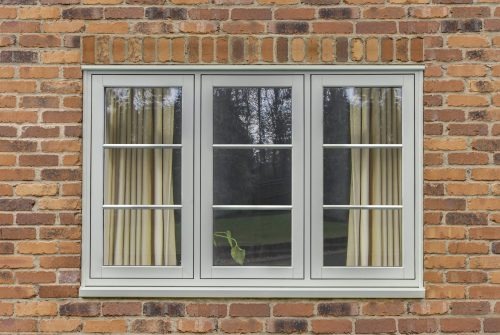
Aluminium Windows South London & Surrey

Glitz Windows & Doors design, supply and fit aluminium windows for homeowners across South London and Surrey — from slim casements on a new extension to heritage-style sash replacements on a period terrace. If you want windows that look sharp, let in more light, and are still doing their job decades from now, here’s what you need to know before you buy.

Aluminium Windows for South London & Surrey Homes

If you’re weighing up aluminium windows for a home in South London or Surrey, you’re looking at the material most architects now recommend. We use FENSA-approved, A-rated profiles and tailor every job from one casement window to a full house of tilt and turn windows around your property, your budget, and what genuinely makes sense for your home.

That’s 50 words exactly. It keeps the brand’s honest, non-salesy tone and the key credibility markers (FENSA, A-rated), while trimming the Victorian-terrace/Sutton/Croydon examples and the closing “here’s what you’ll learn” line to hit the count. Let me know if you’d rather keep one of those in and cut something else instead.

Aluminium Windows South London & Surrey

What Are Aluminium Windows?

Aluminium windows are frames made from extruded aluminium rather than uPVC or timber. The metal is shaped into hollow profiles, then finished with a powder coating or anodised layer in more or less any colour you’d want.
Most modern systems include a “thermal break” — a strip of polyamide sits between the inner and outer sections of the frame so heat and cold aren’t simply conducted straight through the metal. Older frames from the 1970s and 80s didn’t have this, which is largely why the material earned a reputation for being cold and draughty. That reputation doesn’t really apply to today’s double glazing or triple glazing options, which can achieve genuinely strong energy ratings when properly specified.
Because aluminium is roughly a third the weight of steel yet significantly stronger than uPVC of the same thickness, manufacturers can produce slimline frames with much narrower sightlines while still meeting UK structural requirements. In practice that usually means more glass, more daylight, and a cleaner, more contemporary look — a big reason this has become the standard choice for extensions, orangeries and architect-led refurbishments.

Benefits of Aluminium Windows

Strength & Durability

Aluminium’s strength-to-weight ratio means these frames hold their shape well over time — they’re not prone to the warping, bowing or corner-sagging you can sometimes see with timber or lower-grade uPVC after a few winters. The material doesn’t rot, rust or swell with damp, which matters in the UK climate. Fitted and maintained properly, they can comfortably outlast a standard uPVC installation.

Low Maintenance

There’s no painting, sanding or re-varnishing required. The factory-applied powder coating or anodised finish generally just needs an occasional wipe with warm water and a mild, non-abrasive detergent to keep it looking right — about as low-maintenance as glazing gets.

Energy Efficiency

Combine a thermally broken frame with modern double glazed or triple glazed units and you can achieve strong U-values and WER (Window Energy Rating) scores. Depending on the specification, that can translate into less heat escaping, lower bills, reduced condensation, and a better EPC rating — worth factoring in if a sale or remortgage is on the horizon. Actual performance depends on the glazing, frame size and installation, so it’s worth talking through the specification for your particular property.

Enhanced Security

These frames are typically fitted with multi-point locking systems, and the rigidity of the metal itself makes them harder to force than older timber or basic uPVC casements. We can also specify toughened or laminated glass and reinforced hardware where extra security matters — particularly worth considering for ground-floor and rear-facing openings.

Sustainability & Recyclability

Aluminium is fully and repeatedly recyclable without losing its structural properties, and a good proportion of what’s used in window systems today is already recycled material. Recycling it also uses significantly less energy than producing it from raw ore. For homeowners thinking about long-term sustainability, it’s a genuinely sound choice.

Aluminium Window Styles We Offer

Aluminium Casement Windows

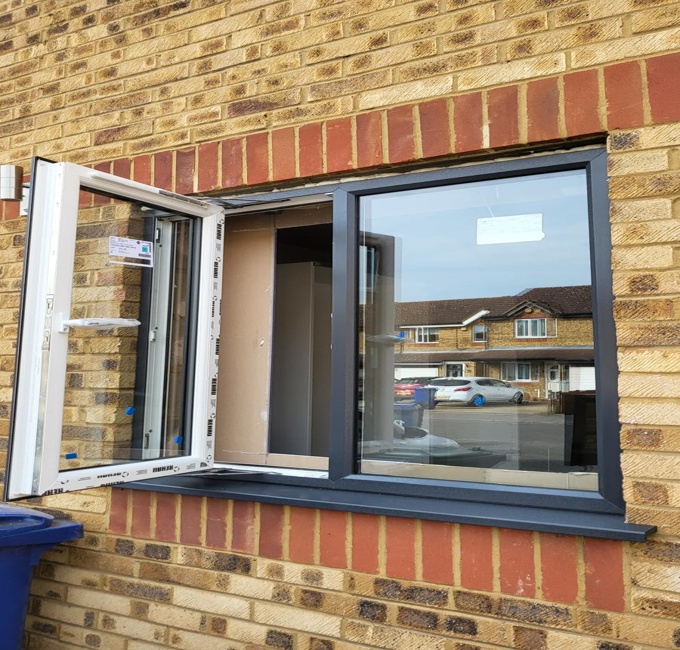
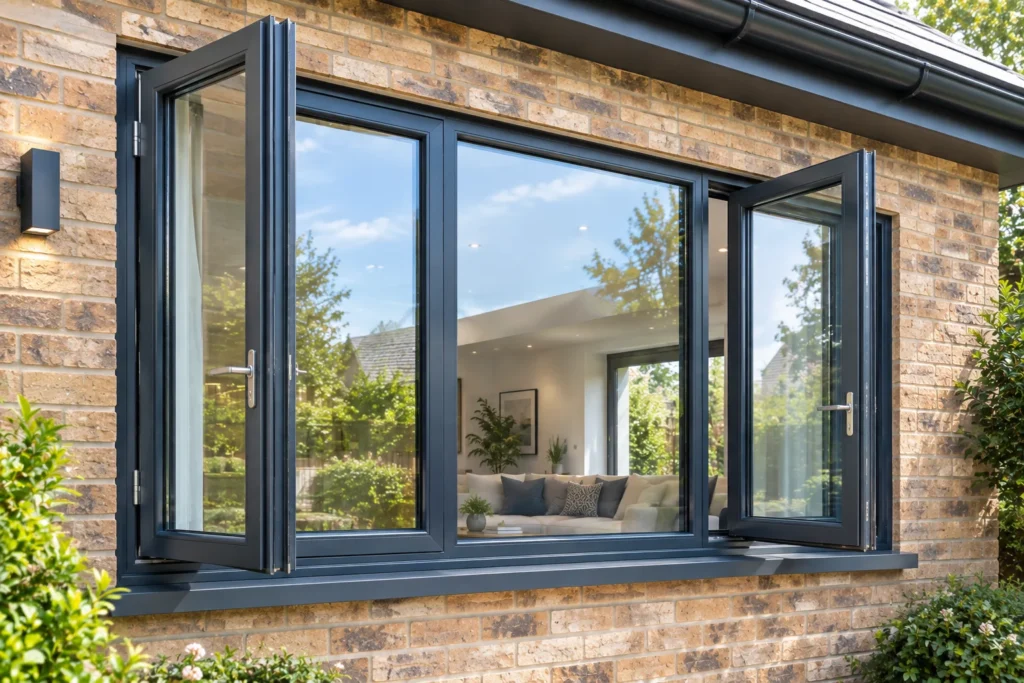
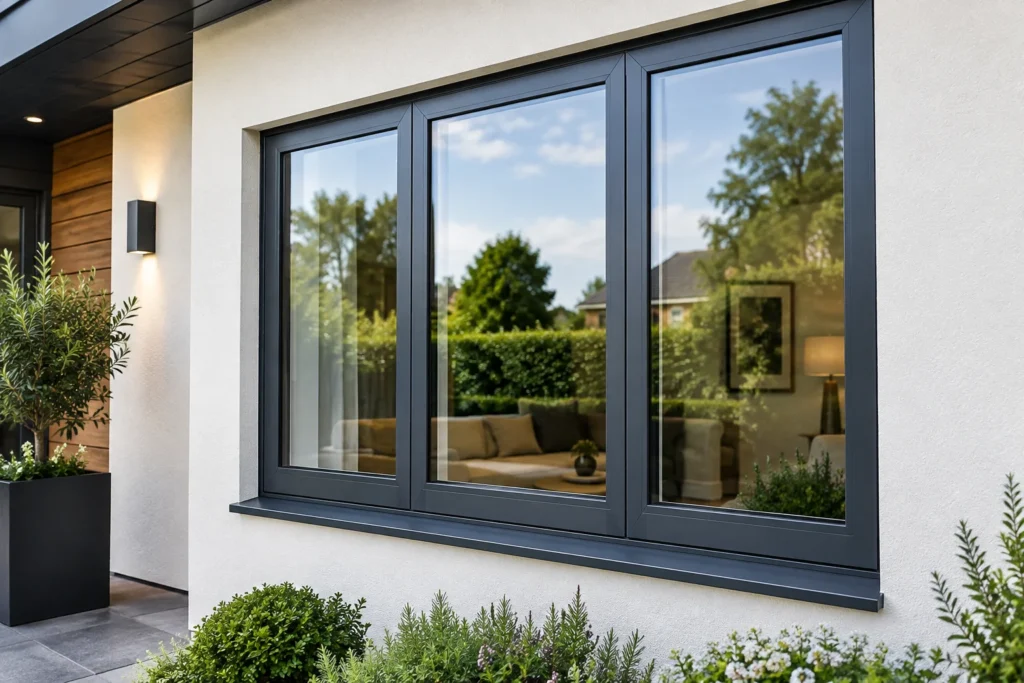
Casement windows are what we install most across South London and Surrey. They can be hinged at the top, side or bottom, made as fixed, top-hung, side-hung or French casements, and suit almost any property style with good ventilation and unobstructed views as standard.

Aluminium Tilt & Turn Windows

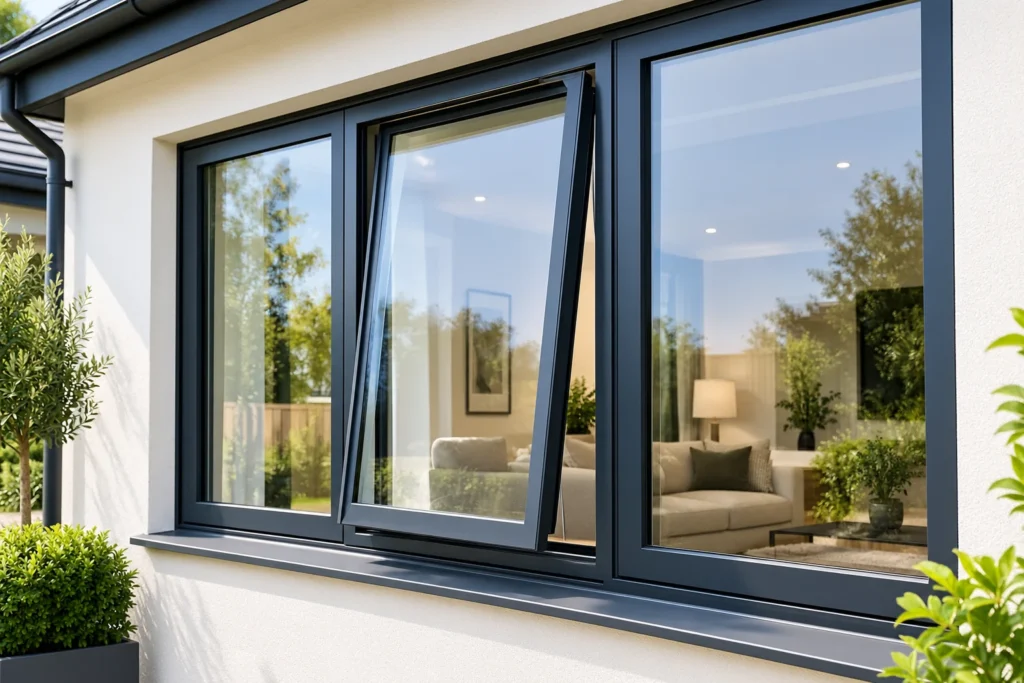
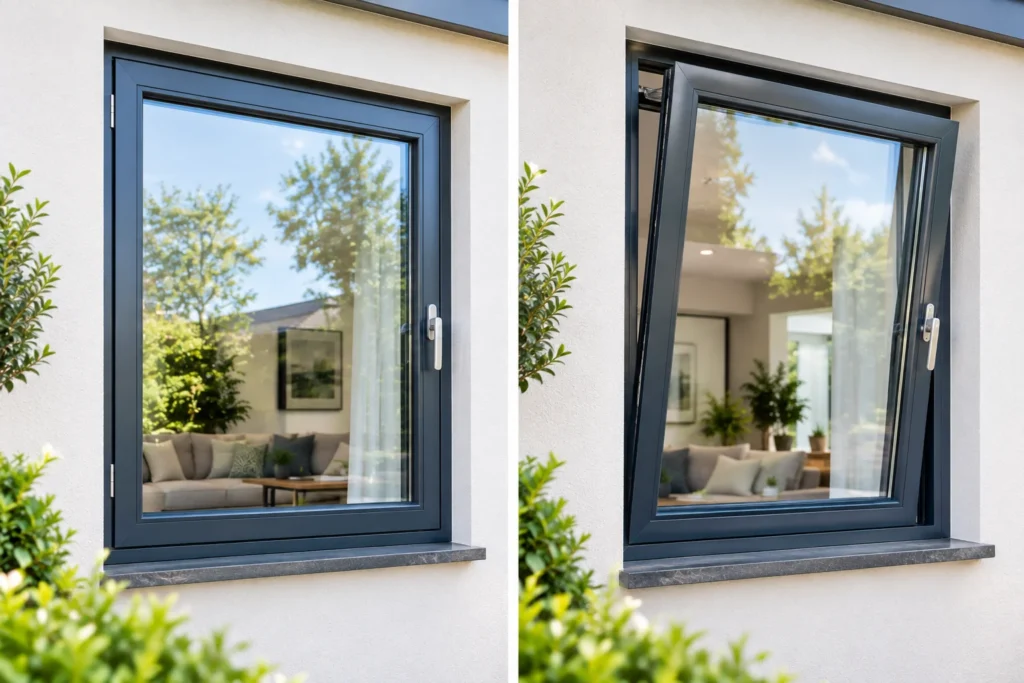
Tilt and turn windows tilt inward at the top for secure background ventilation, or swing fully open on a side hinge when you need more airflow or want to clean the outside of the glass from inside. They’re a practical option for upper floors, apartments and bedrooms.

Aluminium bay and bow window

Bay & Bow Windows

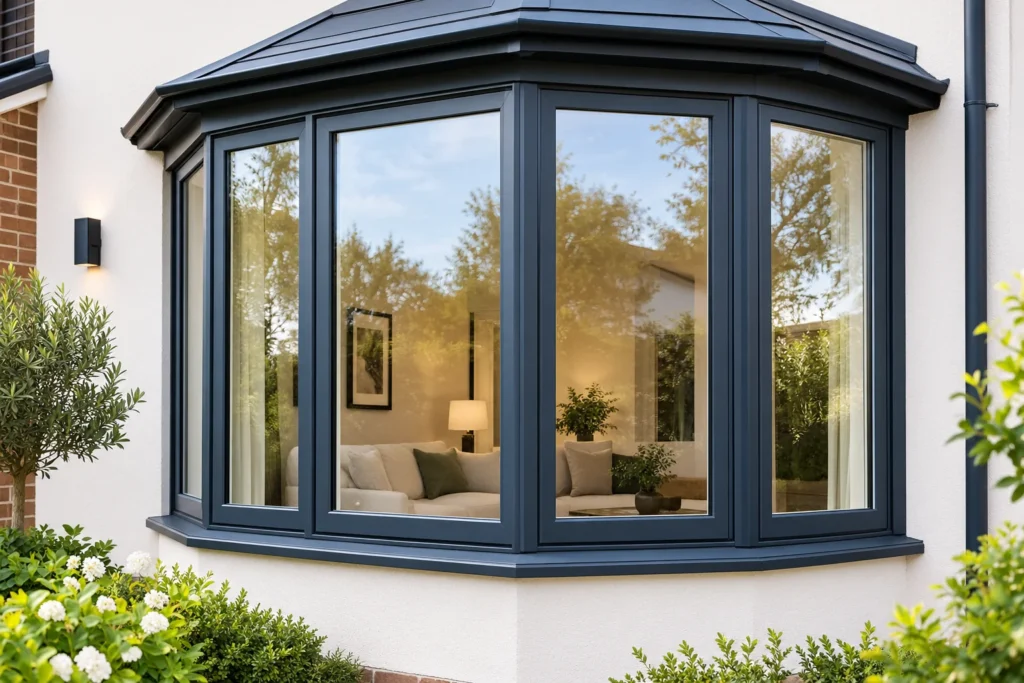
Bay windows project outward from the wall to add extra floor space, extra light and genuine kerb appeal, while bow windows use several angled sections to form a softer, curved shape. Both are popular upgrades on period terraces and semis across Surrey and South London.

Sliding Sash Windows

Our sliding sash windows recreate the classic vertical-sliding look of traditional timber sash windows, with the same proportions and motion, making them a natural fit for period and conservation-area properties that need to keep their heritage appearance while gaining modern thermal and security performance.

Aluminium Flush Sash Windows

Flush Sash Windows

Flush sash windows sit level with the frame rather than proud of it, giving a neater, more traditional, timber-like profile. They suit cottages, conservation properties and character homes particularly well, especially where planning guidance calls for a sympathetic finish.

Aluminium Windows for Different Properties

Period & Character Homes

For Victorian, Edwardian and Georgian homes, heritage-style sash windows preserve traditional character while improving comfort, security and energy efficiency. Listed or conservation properties may need planning approval.

Modern New-Builds

New-builds and contemporary extensions tend to suit the slim sightlines of casement or tilt and turn styles, often specified in anthracite grey, black, or a bespoke RAL colour to match current architectural trends.

Commercial Properties

Commercial aluminium windows are widely used in offices, shopfronts and mixed-use buildings for their strength, low upkeep, fire-rated options where required, and ability to span larger openings without compromising structural integrity.

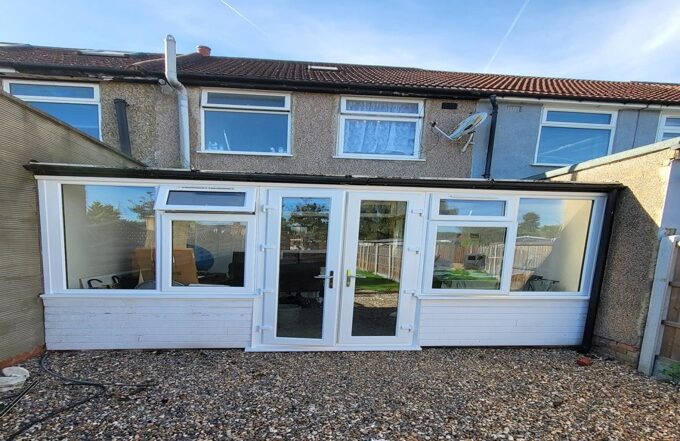
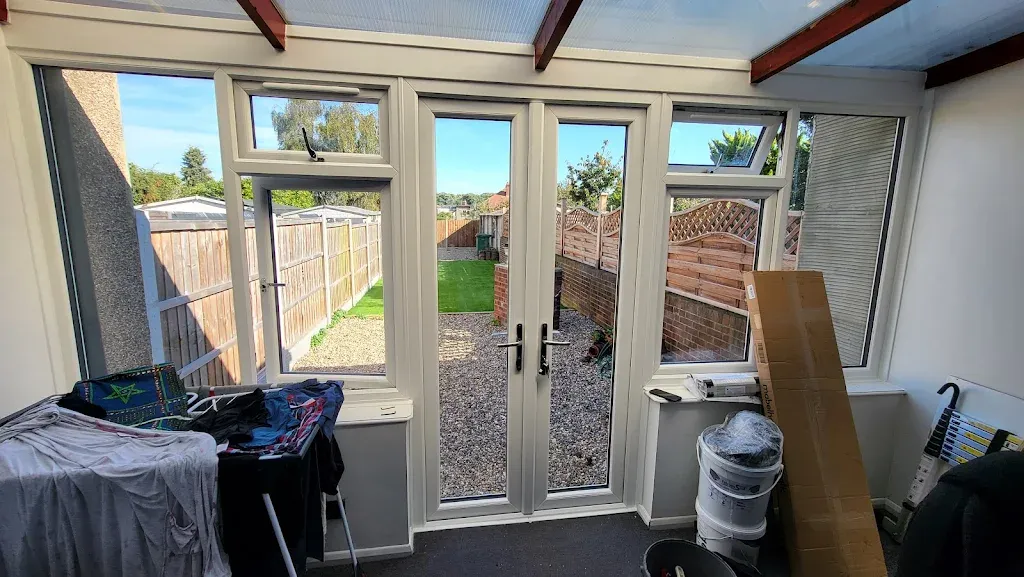
Extensions & Conservatories

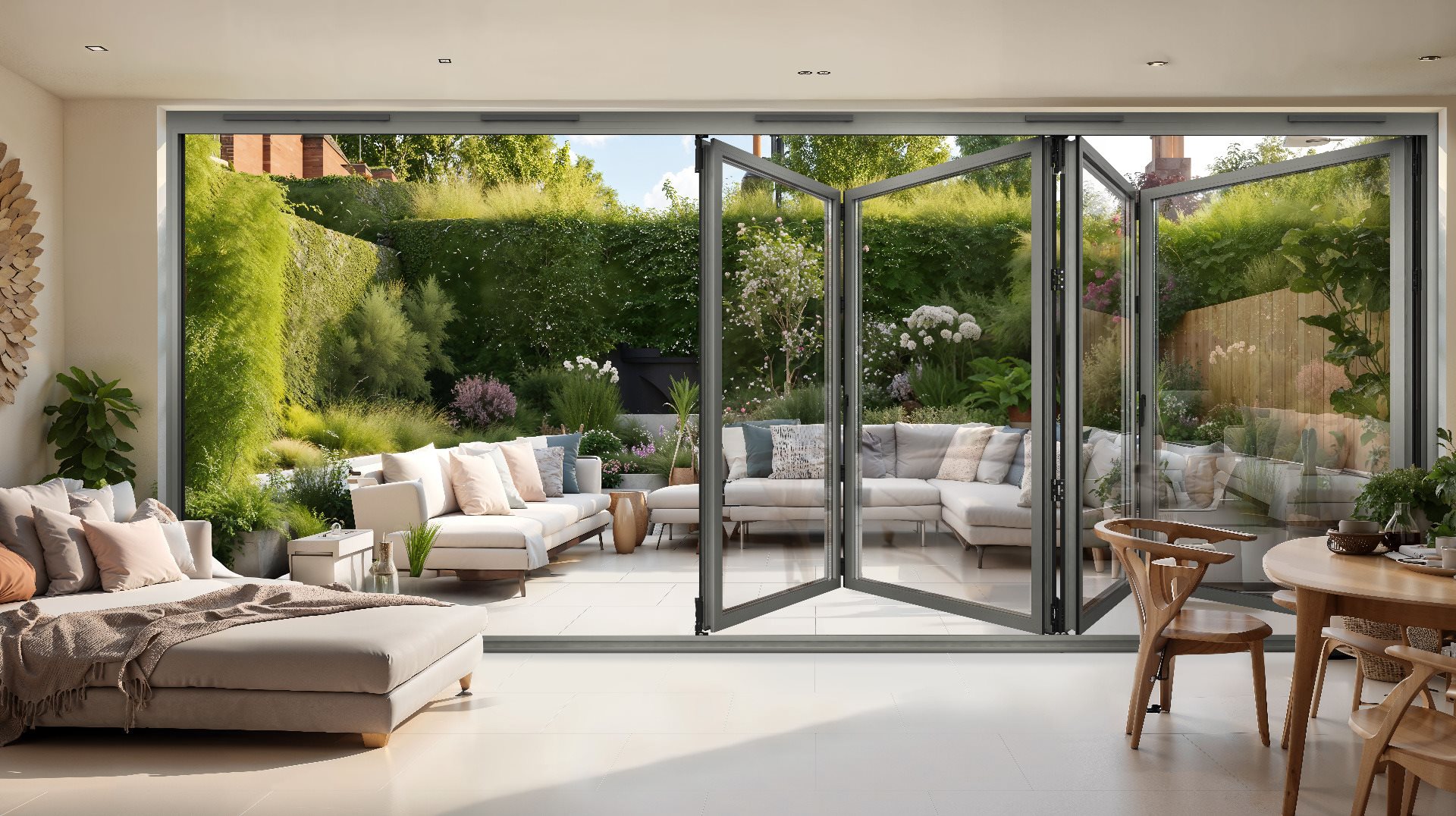
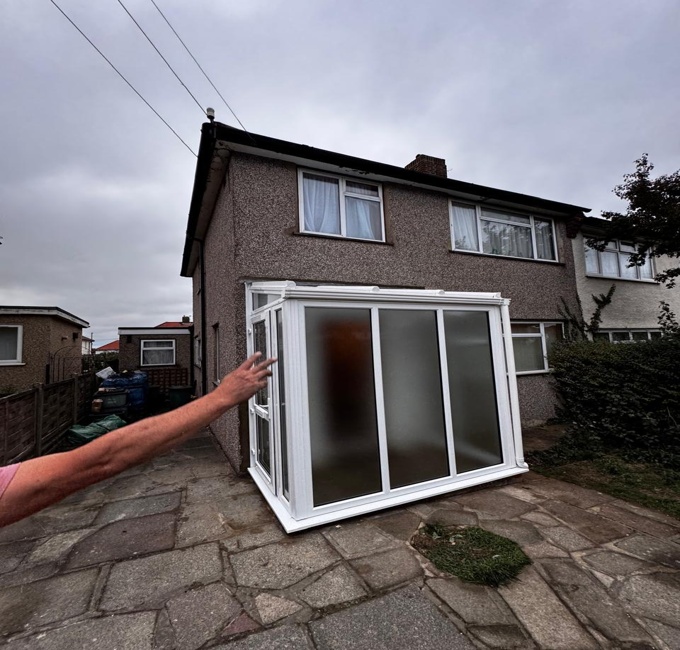
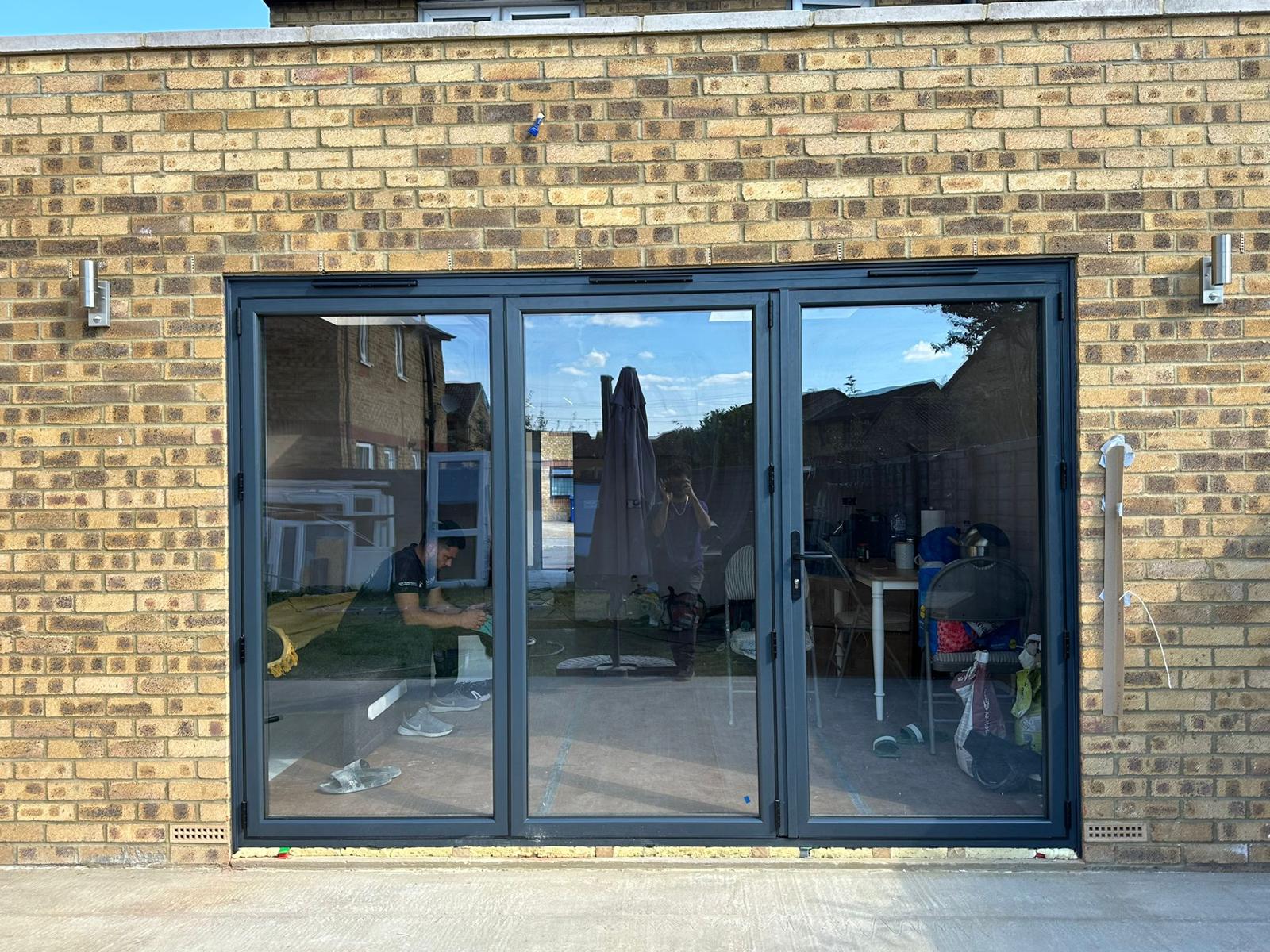
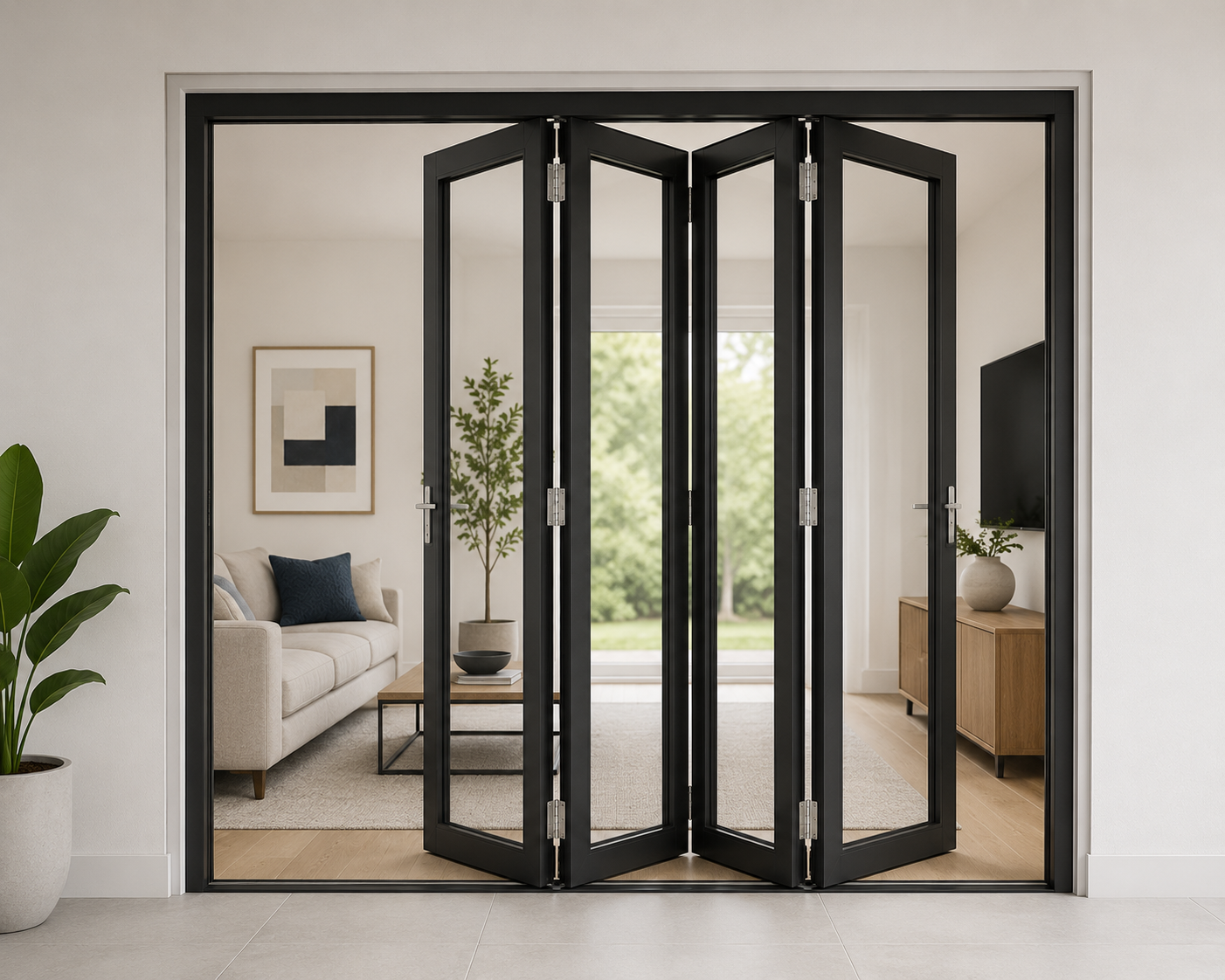
Large glazed extensions and orangeries benefit from this material's strength-to-weight ratio, allowing bigger panes and slimmer sightlines than a comparable timber or uPVC structure — particularly useful for bi-fold doors and large fixed-pane installations.

Choosing the Right Aluminium Doors

Bifold Doors or Sliding Doors

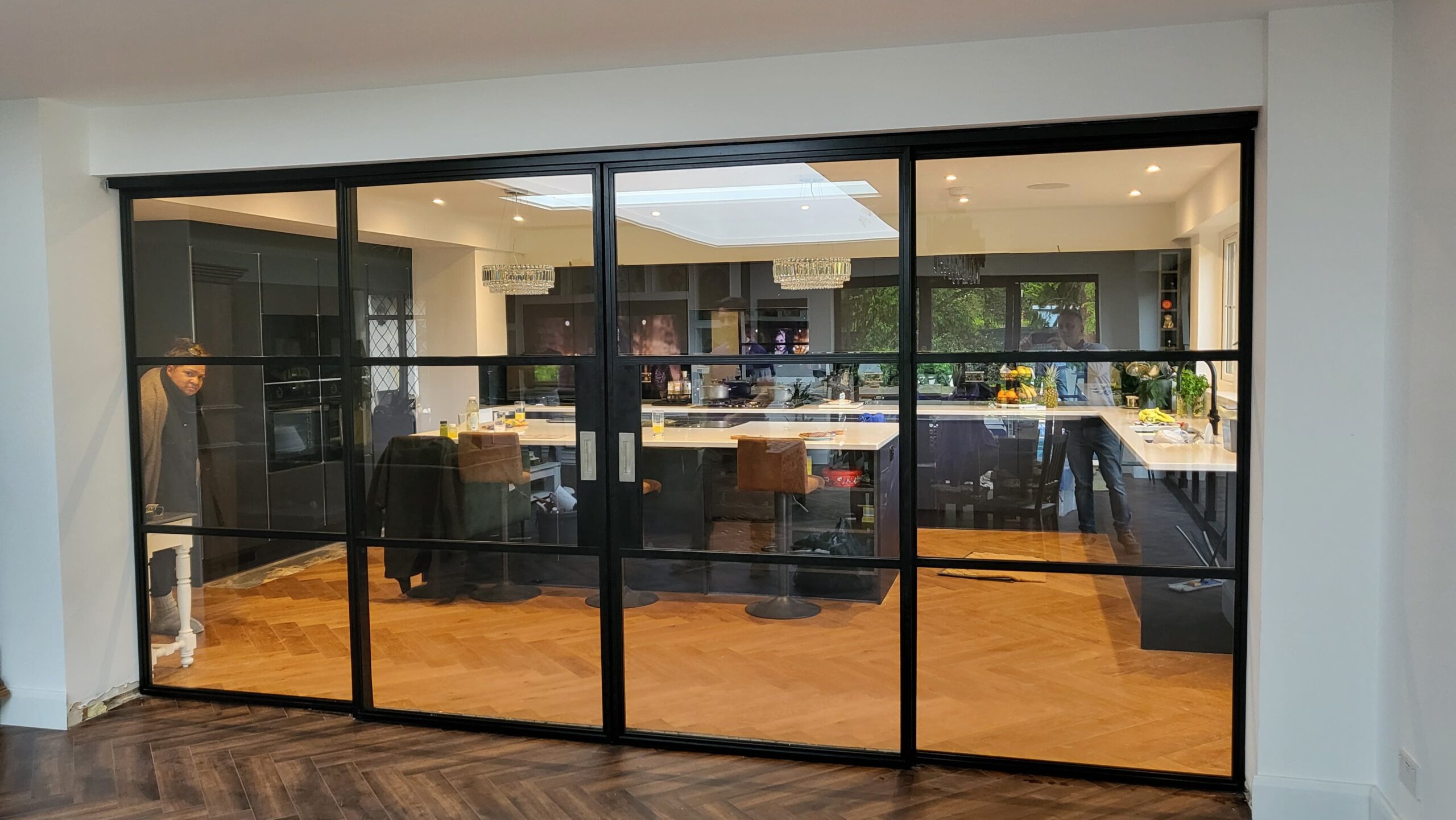
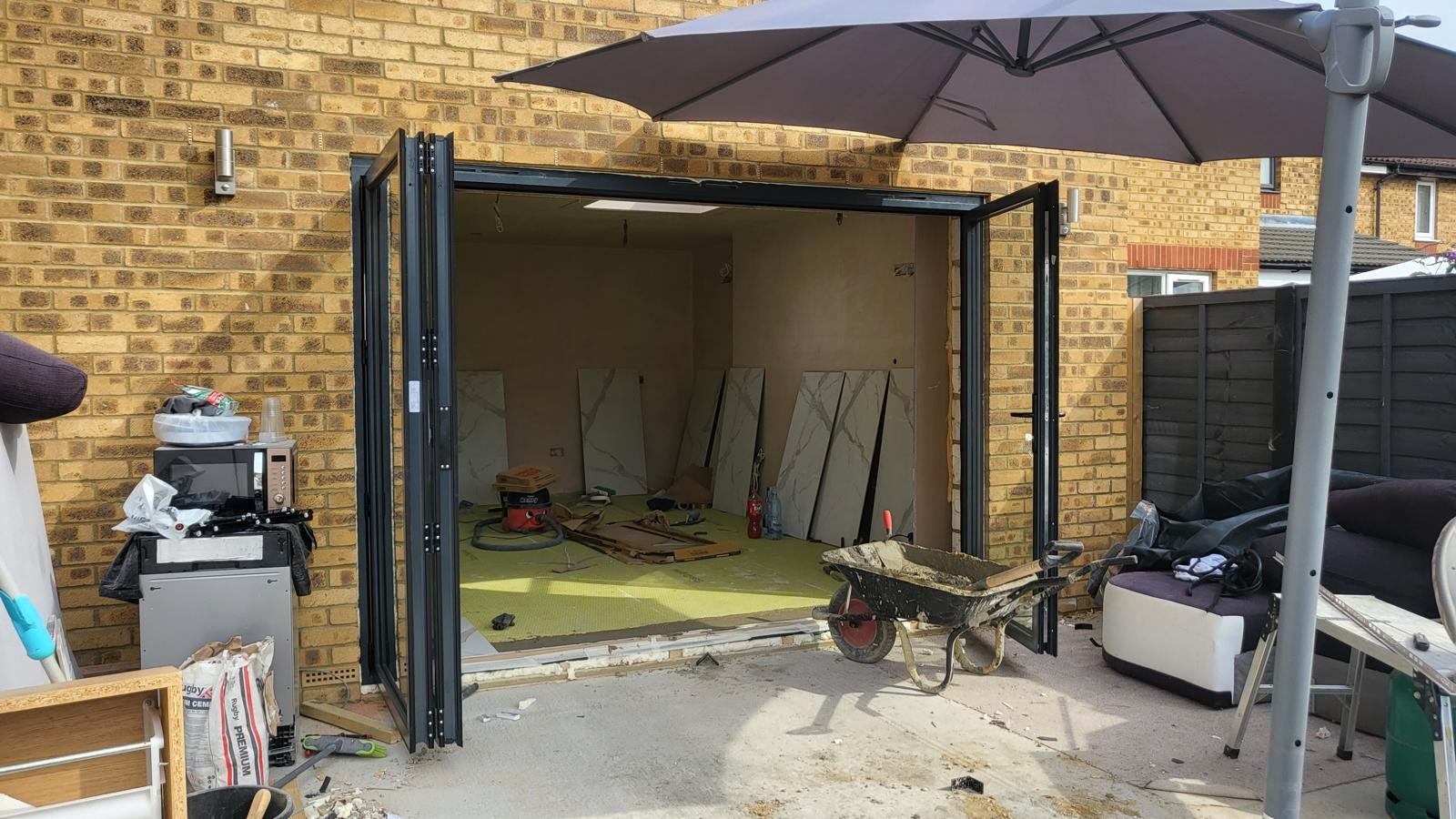
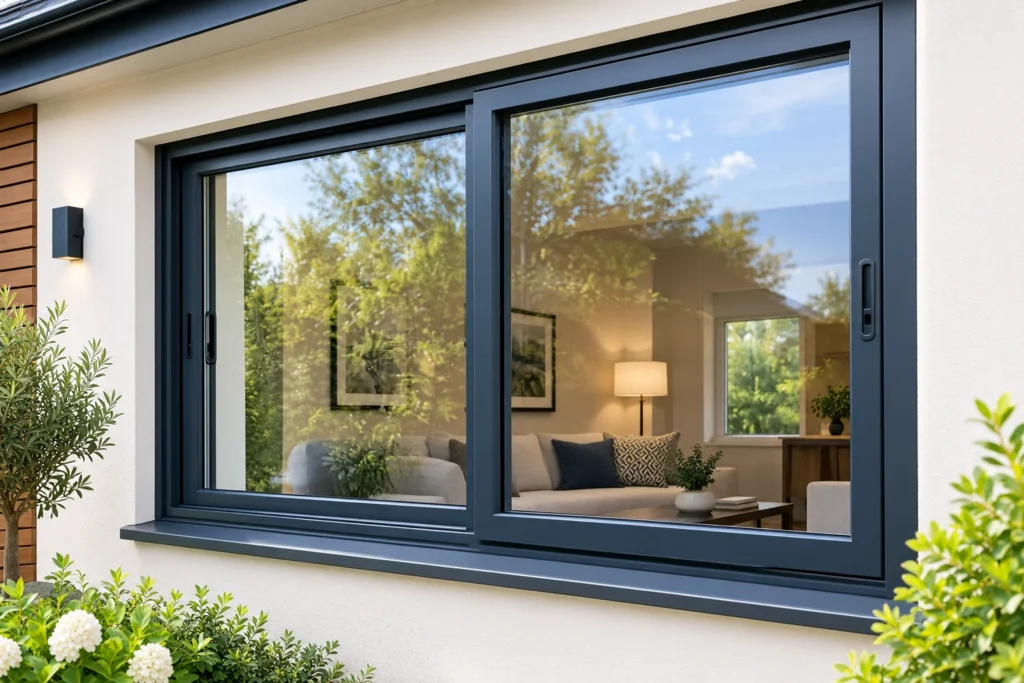
Bifolds give you a fully open wall when you want it, folding back completely to one or both sides — ideal if you want the option to remove the barrier between inside and outside entirely. Sliding doors keep a larger uninterrupted pane of glass when closed and take up less floor space when open, which can suit smaller gardens or narrower openings better than a multi-panel bifold.

Double or Triple Glazing

Double glazing is the standard specification for most aluminium doors and performs well for the vast majority of UK homes. Triple glazing offers a further improvement in thermal performance and noise reduction, but adds cost and weight — usually only worth it for particularly exposed properties or where noise is a specific concern.

Choosing the Right Colour

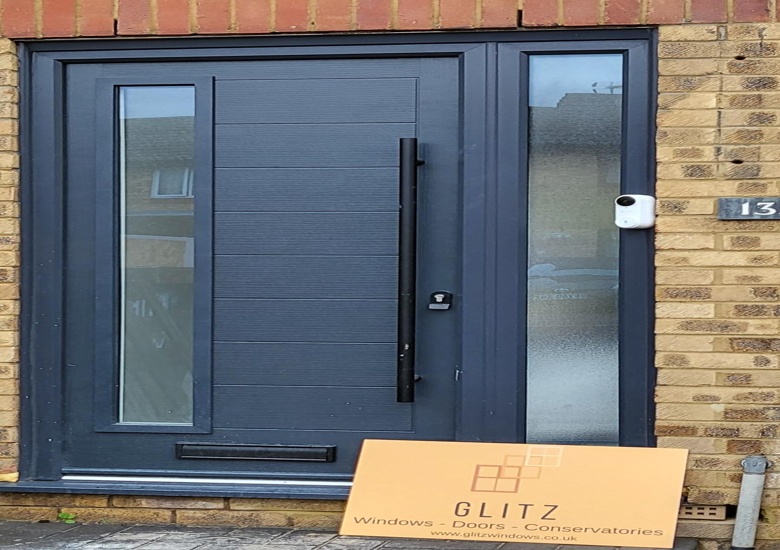
Aluminium doors are available in an extremely wide range of RAL colours and finishes, including popular options like anthracite grey and black, as well as dual-colour finishes (a different colour inside and out). It's worth thinking about how the colour will sit against your brickwork, windows, and roofline before committing.

Choosing Handles & Hardware

Handle style and finish affects both the look and the day-to-day usability of the door — lever handles, pull handles for bifolds, and finishes like matt black, chrome or brushed steel all read quite differently against an aluminium frame. Security-rated hardware is worth specifying on any door that's a potential entry point.

Do You Need a Low Threshold

A low or level threshold makes a door easier to use for pushchairs, wheelchairs, or anyone with mobility needs, and gives a cleaner transition between inside and outside flooring. It's worth flagging early, since it can affect the door's weather performance and needs to be planned into the installation rather than added afterwards.

How to Maintain Aluminium Doors

Cleaning Aluminium Door Frames

Warm water and a mild, non-abrasive detergent on a soft cloth is generally all aluminium door frames need every couple of months. Avoid abrasive pads, solvents, or harsh chemical cleaners, which can damage the powder-coated or anodised finish over time.

Cleaning Bifold & Sliding Door Tracks

Bifold and sliding doors have more moving parts than a standard hinged door, so the tracks need a bit more attention. Clear out dust, grit and debris regularly, since a gritty track is one of the most common reasons a bifold or slider starts to feel stiff or catch when opening.

Checking Seals, Hinges & Handles

Check rubber seals and weatherstripping once or twice a year for wear, and lubricate hinges, rollers and locking mechanisms with a light, non-acidic oil to keep everything moving smoothly. If a handle feels stiff, don't force it — get it looked at before it causes further damage.

When to Arrange Repairs

If you notice draughts, water ingress, difficulty locking, or condensation building up between the panes of glass, it's worth getting it checked sooner rather than later. These are usually early signs of a worn seal, failed sealed unit, or hardware that needs adjusting — all straightforward to fix if caught early.

Aluminium Door Costs in South London & Surrey

Based on current UK cost guides, aluminium bifold doors typically cost somewhere between £3,000 and £7,500 supplied and fitted, depending on the number of panels, opening width and glazing specification. Aluminium sliding and patio doors tend to sit a bit lower, generally in the region of £1,500–£4,500 fully fitted, while French doors and standard front or back doors are usually somewhere between £1,200 and £3,000 depending on size and finish.
These are general market guide figures rather than a quote for your property — opening size, structural work, access and specification all affect the final price, so the only way to get a number that actually means something is a free survey.

Why Choose Glitz Windows & Doors for Aluminium Windows?

FENSA Registered & Fully Insured

Every window we install is certified through FENSA, giving you full building regulations compliance and the paperwork to prove it — something you'll want in hand when you come to sell.

A-Rated Energy Efficiency

We specify A-rated systems with energy-efficient glazing suited to your property, rather than recommending the same package to every customer regardless of what the house actually needs.

10-Year Guarantee

Every installation comes with a comprehensive 10-year guarantee covering both the frames and our workmanship.

25+ Years' Local Experience

We've been fitting windows and doors across South London and Surrey for more than 25 years, which means a genuine working knowledge of local property types, planning quirks and conservation area requirements that a national call-centre installer typically won't have.

Why Choose Our Aluminium Windows?

Choosing Glitz Windows & Doors means working with a local, established team rather than a national chain reading from a script. We bring together A-rated thermal performance, genuinely slim contemporary sightlines, bespoke colour finishes, and real familiarity with South London and Surrey properties, from Victorian conversions to new-build developments, to deliver a job that’s fitted right the first time, backed by a 10-year guarantee, from a team that’s still going to be here if you ever need us.
If you’re comparing prices, the total will depend on the number and size of windows, style, glazing, colour, access and installation requirements. The best way to get a figure that means anything is a survey and a personalised quote.

What Our Customers Says About Us

Dedicated Residential & Commercial Aluminium Doors

Whether it’s a family home or a commercial unit, aluminium doors need different specs. For homes, we focus on bifold and sliding doors for extensions, French doors for period properties, and secure front doors matched to the house. For offices, shopfronts and mixed-use buildings, we specify frames built for heavier daily use, wider spans and higher security. Every installation — residential or commercial — is FENSA registered and backed by our 10-year guarantee.

Aluminium Windows - FAQs

It depends what you’re optimising for. This material tends to win on slim sightlines, larger glass areas, strength and a more contemporary look, while uPVC usually wins on upfront cost. For a period property or an extension where appearance and glass area matter, aluminium is usually the better fit; for a straightforward budget-conscious replacement, uPVC can still make sense.

Yes, when properly specified. Modern thermally broken frames paired with double or triple glazing can achieve strong U-values and A-rated performance. Older, non-thermally-broken frames performed poorly by comparison, which is where the material’s reputation for being “cold” originally came from — it doesn’t really apply to current systems.

Based on current UK cost guides, a standard casement window typically costs somewhere in the region of £450–£1,300 fully fitted, with premium or bespoke designs running higher. A full-house replacement (around 8–10 windows) on a typical semi tends to land somewhere between £4,000 and £16,000 depending on style, glazing and access. These are general market guide figures rather than a quote — the only way to get an accurate number for your property is a free survey.

Well-made, correctly installed frames typically last 35–45 years, sometimes longer, compared with around 20–25 years for standard uPVC — thanks largely to their resistance to warping, rotting and corrosion. Actual lifespan also depends on the glass, seals, hardware and how well they’re maintained.

Aluminium is the stronger, slimmer material of the two, allowing narrower frames and larger glass areas along with a more contemporary appearance, and it’s widely recyclable. uPVC generally has a lower upfront cost and a chunkier profile, and remains a solid option for budget-conscious replacement projects. Both can perform well thermally when properly manufactured and installed.

No, this material typically costs more upfront than uPVC, often somewhere around 30–60% more depending on style and specification. Many homeowners still choose it for the slimmer appearance, strength and longer lifespan, which can make it better long-term value even with the higher initial cost.

Not in the way you’d paint a wooden frame. Frames are finished at the factory using powder coating or anodising, which gives a far more durable, longer-lasting finish than paint would. Some can be professionally resprayed later if you want a colour change, but standard household paint isn’t recommended — it’s best to choose your colour before the windows are manufactured.

What Do We Offer

Our Gallery

Make Appointment

Get a free quote with no obligation - Contact us now

Have a unique idea or specific requirements? Our team specialises in tailored window and door solutions to suit your vision—built to exact specifications and installed with precision.

Make Appointment

Get a free quote with no obligation - Contact us now

Have a unique idea or specific requirements? Our team specialises in tailored window and door solutions to suit your vision—built to exact specifications and installed with precision.

Our Process

Four Steps to Order Window for Your Home

Make Appointment

Window Production

Delivery To You Home

Installing & Enjoy